Cafeo 44
Programs

Cafeo 44
& WORKING GROUP & TECHNICAL SITE VISIT
Day 1
Venue around Bandung
Tuesday, 20 October 2026
Bandung's industrial and institutional diversity is directly woven into the conference program itself. Of the 17 total working group sessions, 9 will be held on-site at the main venue, while 8 will be hosted off-site at locations that reflect the city's strengths — giving delegates a hands-on, immersive experience of Indonesian engineering in practice:
| Working Group Topics | Technical Visit Theme | Venue | Quota | Choose Topics |
|---|---|---|---|---|
| All Day | 13:00 - 16:30 | ||||
|
Notice: "Education and Capacity Building" is an All-Day topic (13:00 - 16:30) covering both Session 1 and Session 2. If you select Education and Capacity Building, you cannot choose Session 1 or Session 2 Working Groups.
|
||||
|
Education and Capacity Building
(13:00 - 16:30, covers both sessions) |
Bandung Institute of Technology Campus Tour | Institut Teknologi Bandung | 50/50 | |
| Session 1 | 13:00 - 14:30 | ||||
| AEI Harmonising Boiler | - | Chamomile Room, 2nd floor | 50/50 | |
| AEI Electrical Installation | - | Earl Grey & Sencha Room, 2nd floor | 50/50 | |
| AEI Building | - | Earl Grey & Sencha Room, 2nd floor | 50/50 | |
| Working group: Environmental Engineering | - | Chamomile Room, 2nd floor | 50/50 | |
| Session 2 | 15:00 - 16:30 | ||||
| AEI Structural | - | Chamomile Room, 2nd floor | 50/50 | |
| Working Group: Geotechnical Engineering | - | Earl Grey & Sencha Room, 2nd floor | 50/50 | |
| Working Group: Energy | - | Chamomile Room, 2nd floor | 50/50 | |
| AEI Electronic | - | Hibiscus Room, 2nd floor | 50/50 | |
Please be informed of the registration deadlines: PT Pindad closes on 18 September 2026, PT Dirgantara Indonesia (PT DI) closes on 5 October 2026, and PT Bio Farma closes on 16 October 2026.
Please log in to select your Working Group.
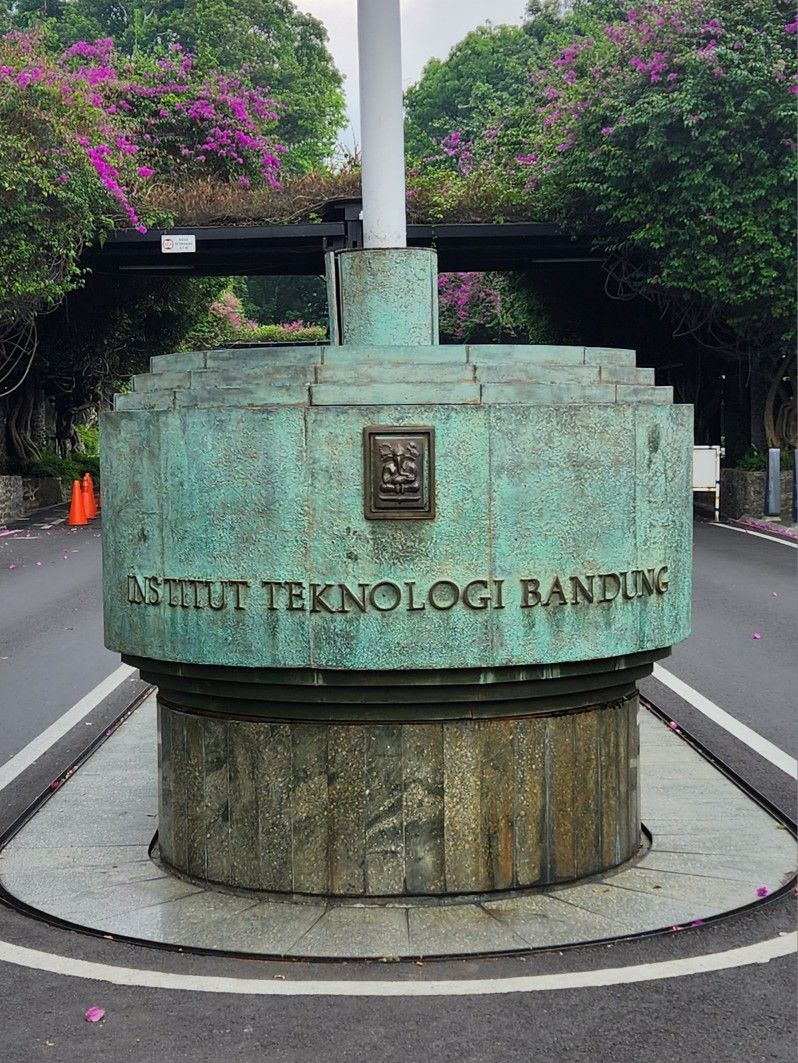
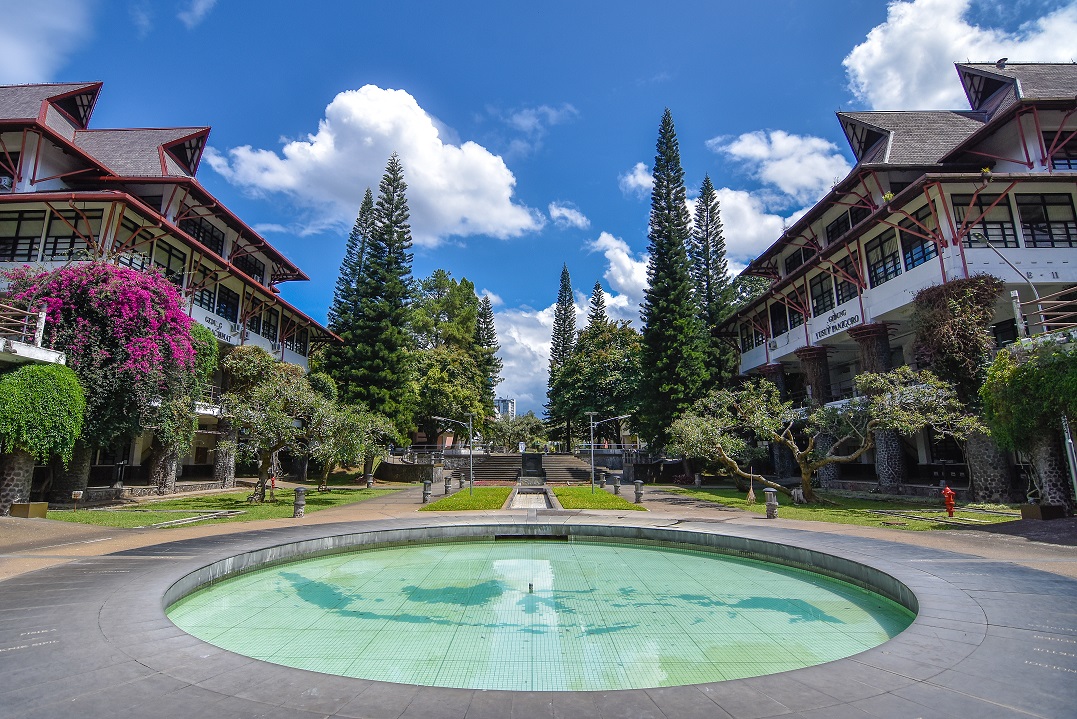
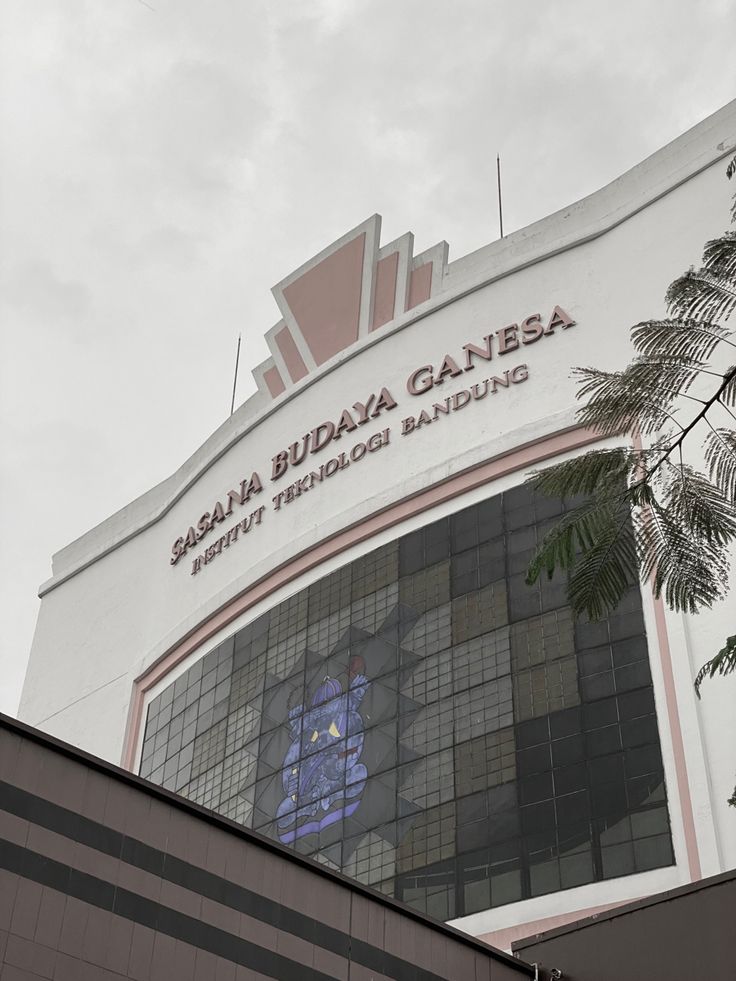
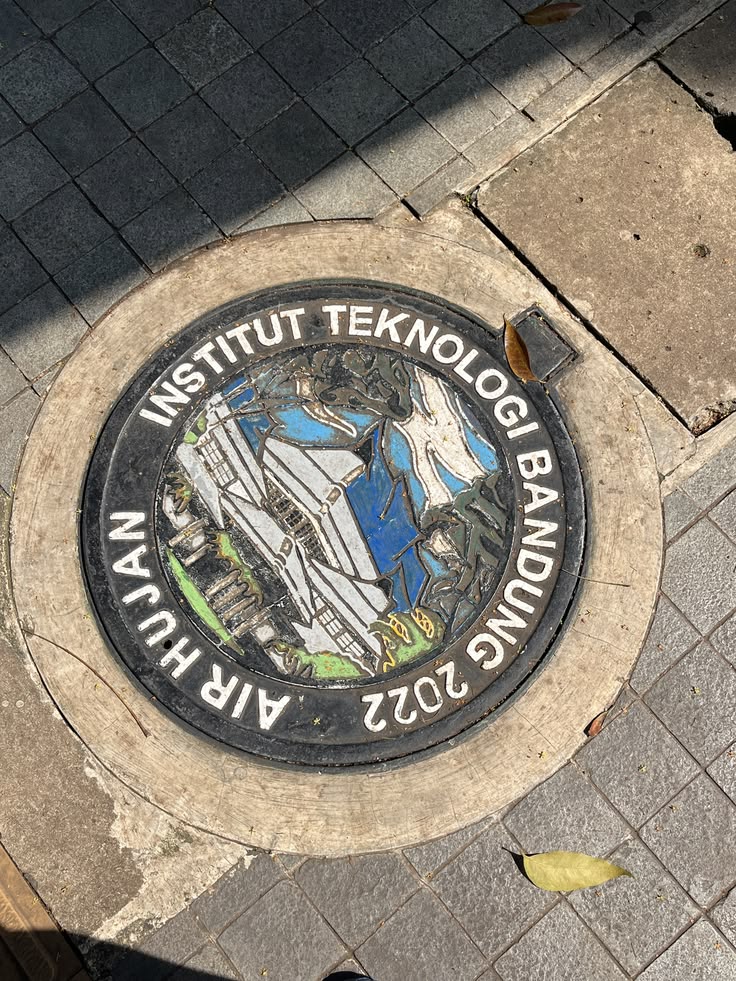
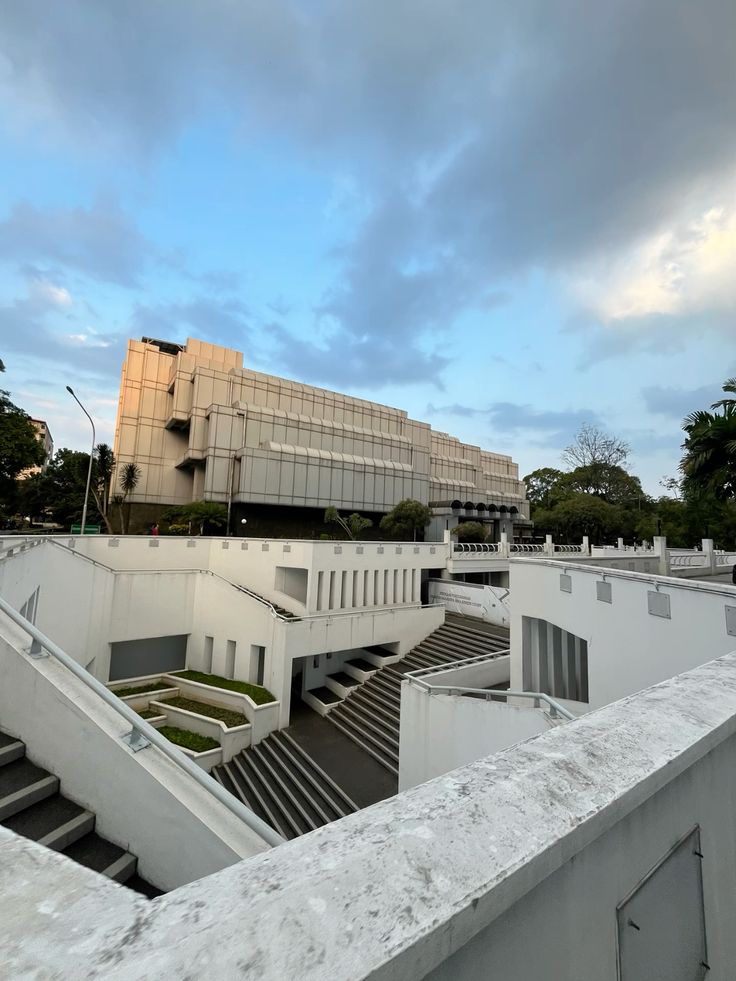
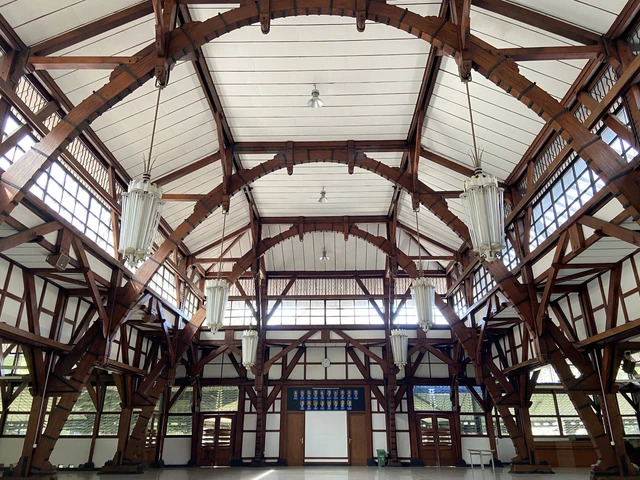
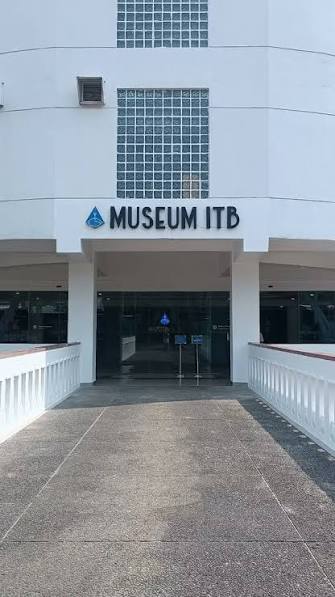
Education and Capacity Building
Location: Institut Teknologi Bandung
The Education and Capacity Building working group focuses on strengthening
engineering competence, professional development, and regional knowledge exchange
across ASEAN. It provides a platform for member countries to share information on
the qualifications and competencies required for engineers to work in their
respective countries, helping to promote greater understanding and mobility within
the profession. The group also encourages the exchange of information on training
opportunities, workshops, seminars, and courses, including visits by internationally
recognized experts that may benefit the wider ASEAN engineering community. Through
collaboration and continuous learning, the working group aims to support capacity
building, enhance professional standards, and develop a more skilled, connected, and
future-ready engineering workforce in the region.
As a leading institution in engineering education and innovation, Institut Teknologi
Bandung provides a highly relevant setting for this working group. Known for
its strong academic foundation and contribution to professional development, Institut Teknologi Bandung
supports the advancement of engineering education through innovative teaching,
curriculum development, research, and industry-academia collaboration. Its role in
preparing engineers with the knowledge, skills, and adaptability needed to address
regional and global challenges closely aligns with the working group’s objectives of
lifelong learning, professional excellence, and sustainable capacity building within
the ASEAN engineering community.
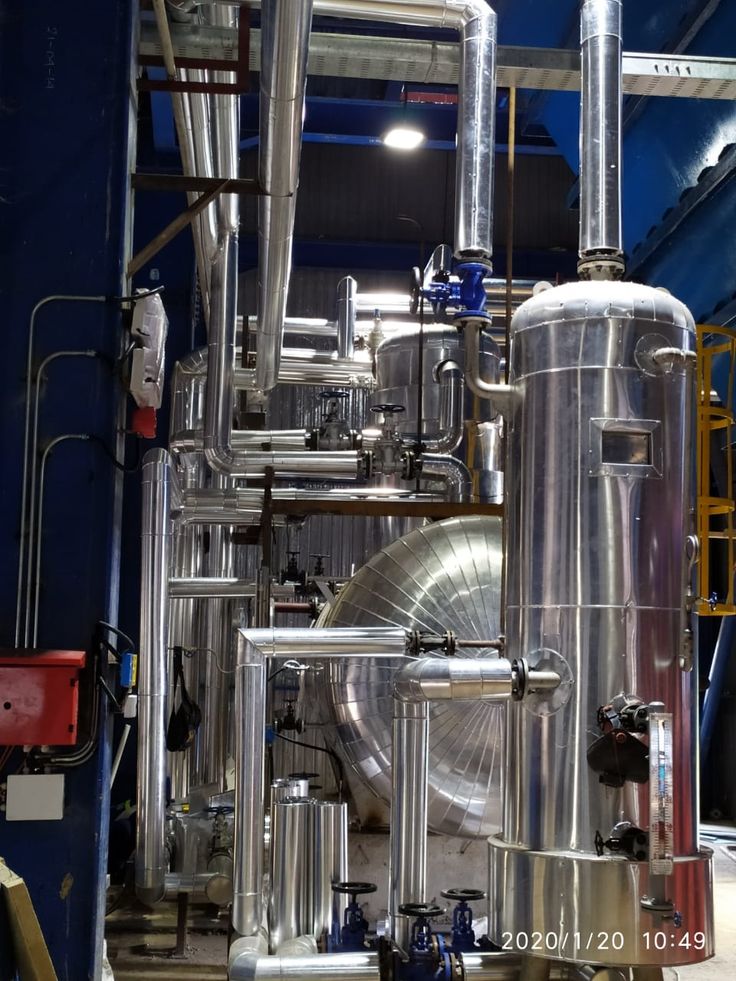
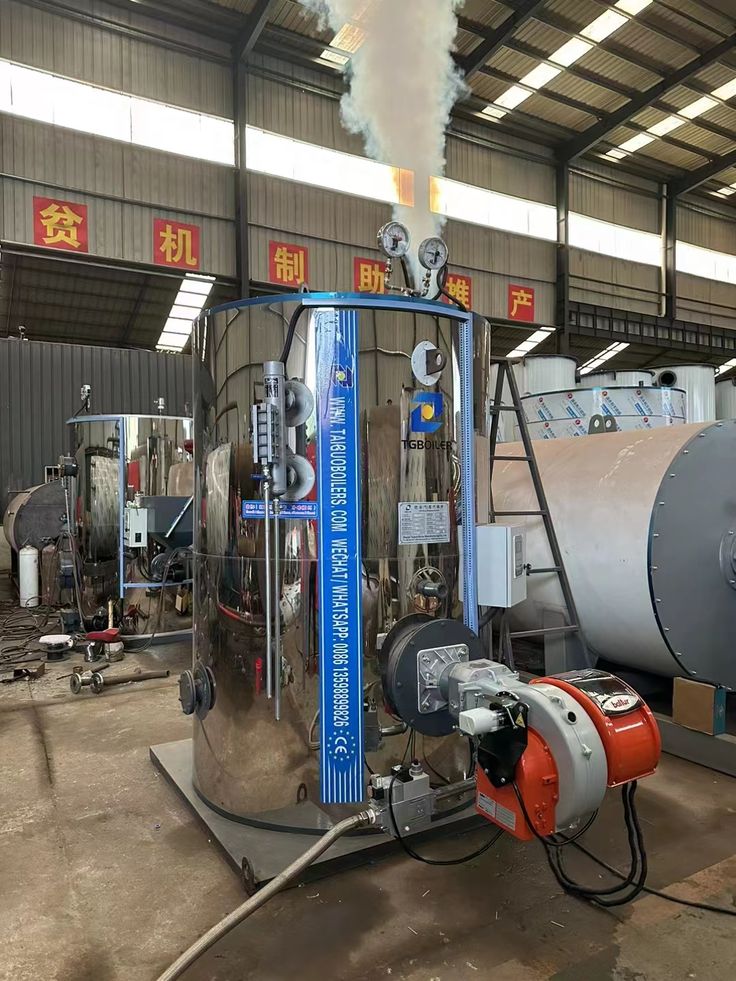
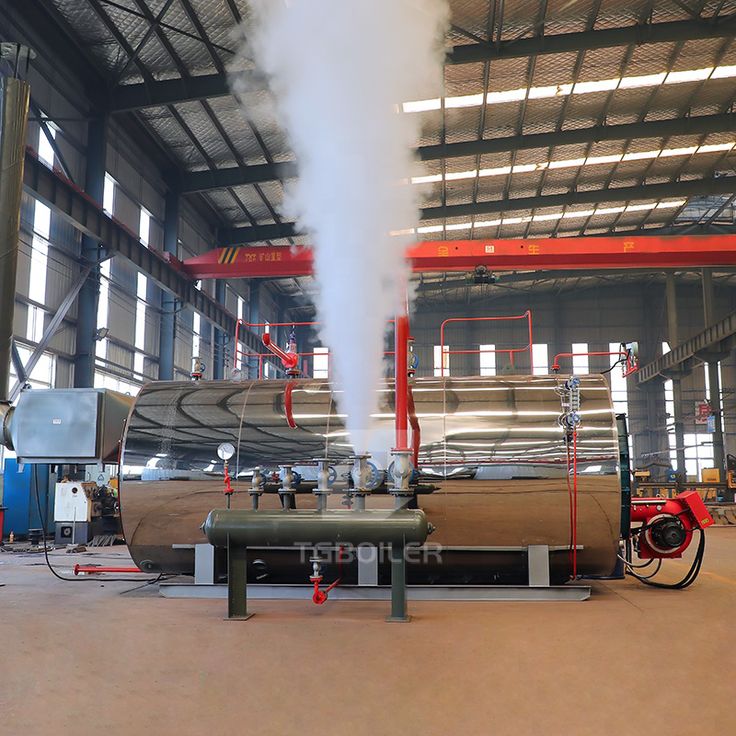
AEI Harmonising Boiler
Location: Chamomile Room
The AEI Harmonising Boiler working group focuses on advancing
boiler inspectorate programs, guidelines, and standards across
the ASEAN Federation of Engineering Organisations (AFEO).
It aims to promote a more consistent and effective approach to
boiler inspection by supporting the evaluation of boiler
installations and facilities in line with technical
specifications, accepted codes, and recognized standards.
The group also emphasizes the role of inspection findings and
recommendations in improving boiler safety, efficiency, and
reliability, while supporting government agencies in their
permit and regulatory processes.
In addition, the working group seeks to develop certification
frameworks for boiler inspectors, including recommended
qualifications, training requirements, and renewal programs to
ensure continued professional competence.
Through these efforts, the group contributes to the
harmonization of technical practices and the strengthening of
safety and quality standards in boiler operations across the
region.
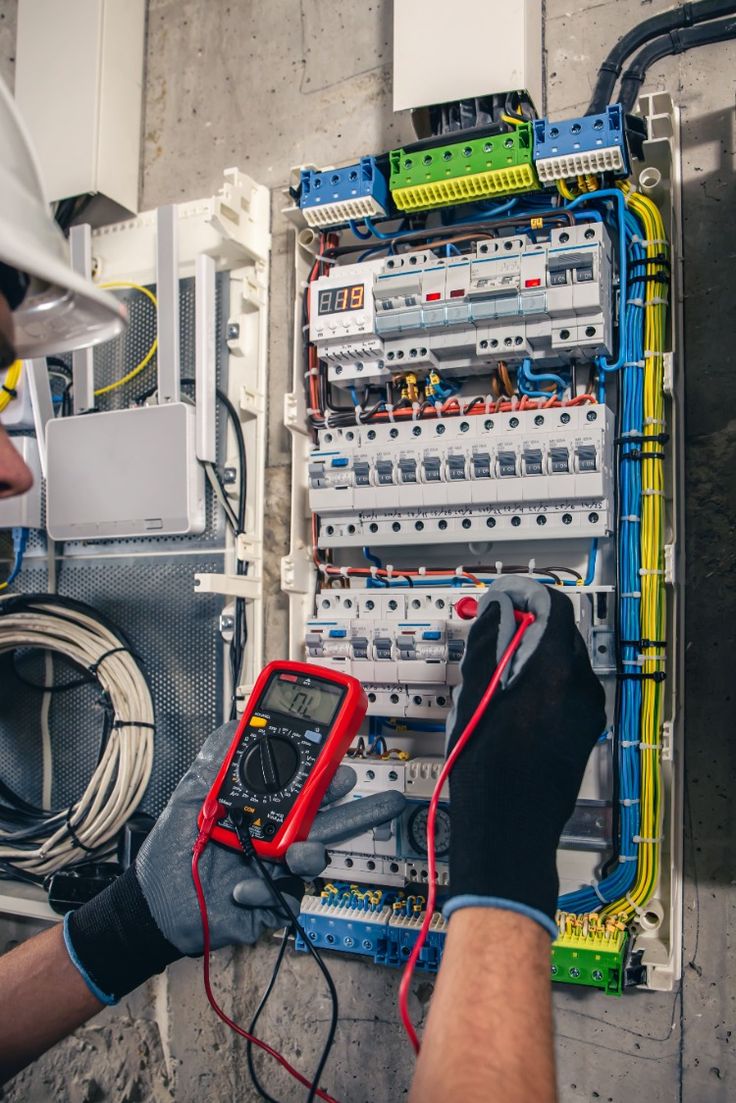
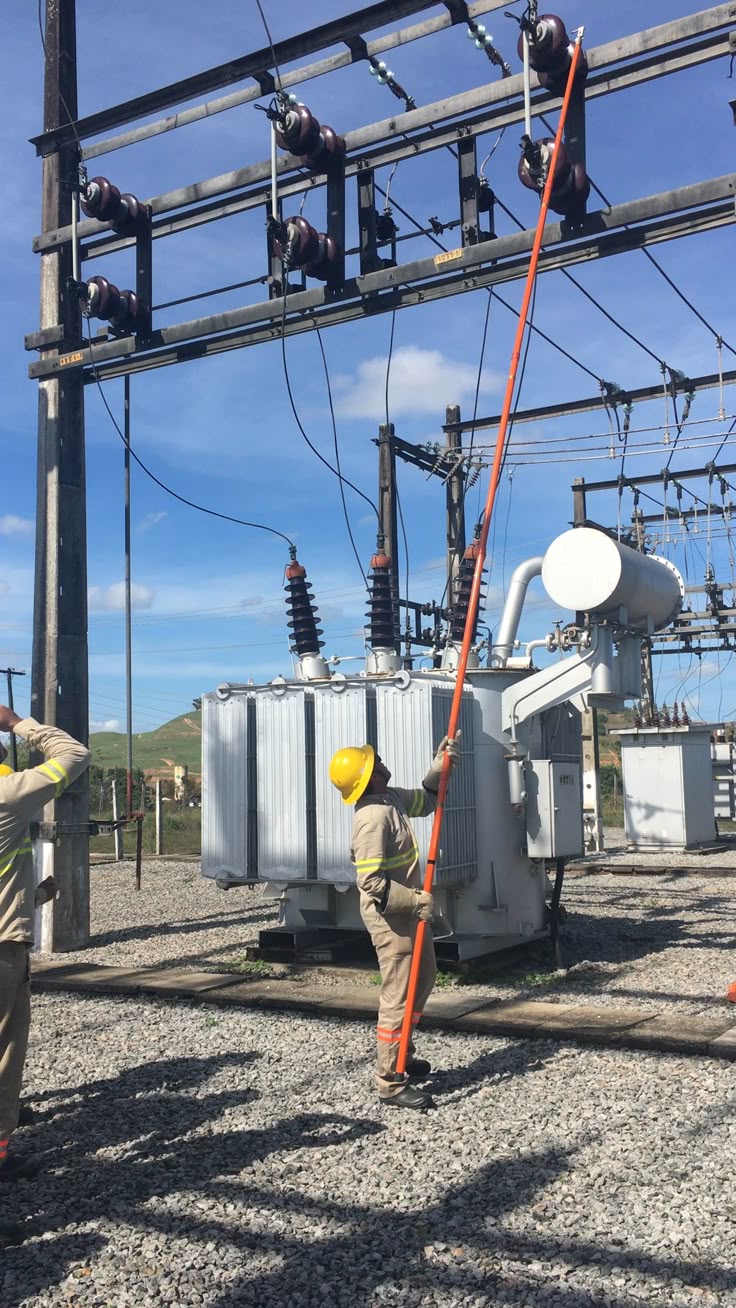
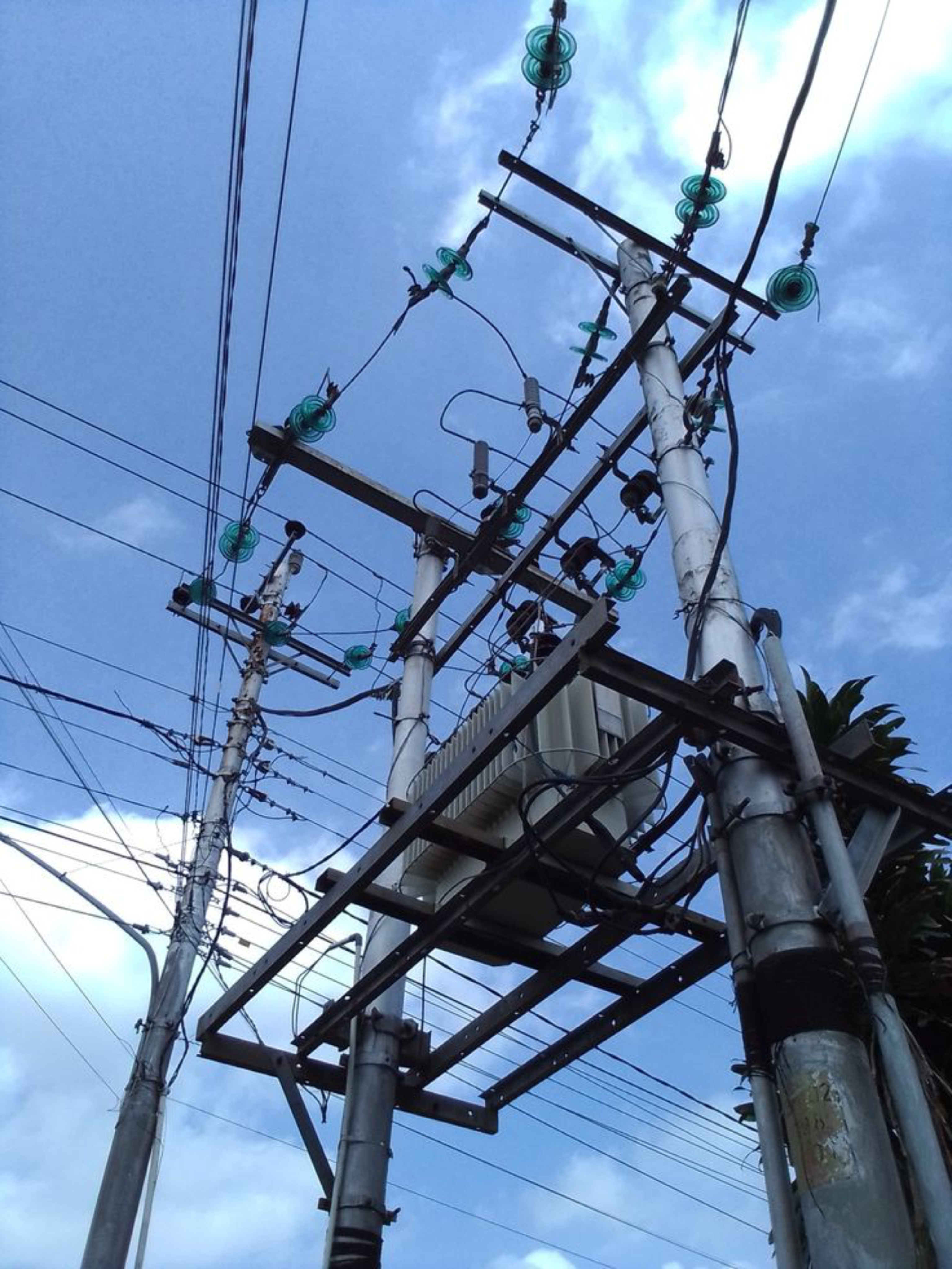
AEI Electrical Installation
Location: Earl Grey & Sencha Room
The AEI Electrical Installation working group focuses on
advancing the harmonization of electrical installation
standards, regulations, and inspection practices for buildings
across ASEAN.
Established under the ASEAN Engineering Inspectorate (AEI),
the group supports AFEO’s objective of promoting goodwill,
mutual understanding, and a common baseline standard for the
engineering profession.
Its work includes reviewing differences in national standards,
updating AEI Electrical Installation Guidelines, and
increasing awareness among electrical engineers and
contractors through knowledge sharing and professional
engagement.
Through coordinated collaboration among member countries, the
group seeks to strengthen professional practice, improve
inspection consistency, and support greater regional
integration in electrical engineering.
AEI Building
Location: Earl Grey & Sencha Room
The AEI Building Inspectors working group focuses on promoting
minimum key requirements and best practices for building fire
safety evaluation across ASEAN.
It aims to support the continued performance of existing
buildings by strengthening fire and life safety features that
help protect people, property, business continuity, and the
environment.
The group provides a platform to discuss harmonized inspection
practices while respecting the local codes and standards of
each member country.
Its scope covers fire safety management, material control,
exterior planning, exit systems, fire-resisting walls and
floors, fire alarm systems, extinguishing systems, and smoke
control systems.
Through independent visual inspection methods and regional
experience sharing, the working group seeks to improve
consistency, professionalism, and the overall quality of
building fire safety inspection practices across ASEAN.
Working group: Environmental Engineering
Location: Chamomile Room
The Environmental Engineering working group focuses on advancing environmental engineering practices,
sustainability guidelines, and environmental protection standards across the ASEAN region.
It provides a platform for engineering professionals, academics, and policymakers to exchange technical knowledge,
share best practices, and collaborate on environmental challenges including water resources, waste management,
pollution control, and climate change resilience.
Through technical cooperation, expert discussions, and regional partnerships, the group aims to enhance professional
standards, foster sustainable infrastructure development, and promote environmentally sound engineering solutions
across the ASEAN community.
AEI Structural
Location: Chamomile Room
The AEI Structural working group focuses on harmonizing
structural inspection and assessment practices across ASEAN
throughout the full life cycle of structures, from
construction and functional maintenance to demolition.
The group supports the collation of national codes,
standards, and guidelines adopted by AFEO member
organizations while developing strategies, programs, and
action plans for greater regional alignment.
It also promotes communication, information sharing,
implementation support, and capacity-building initiatives
related to structural inspection and Building Condition
Assessment (BCA).
Through these efforts, the group aims to strengthen
consistency, professional practice, and the quality of
structural safety management across ASEAN.
Working Group: Geotechnical Engineering
Location: Earl Grey & Sencha Room
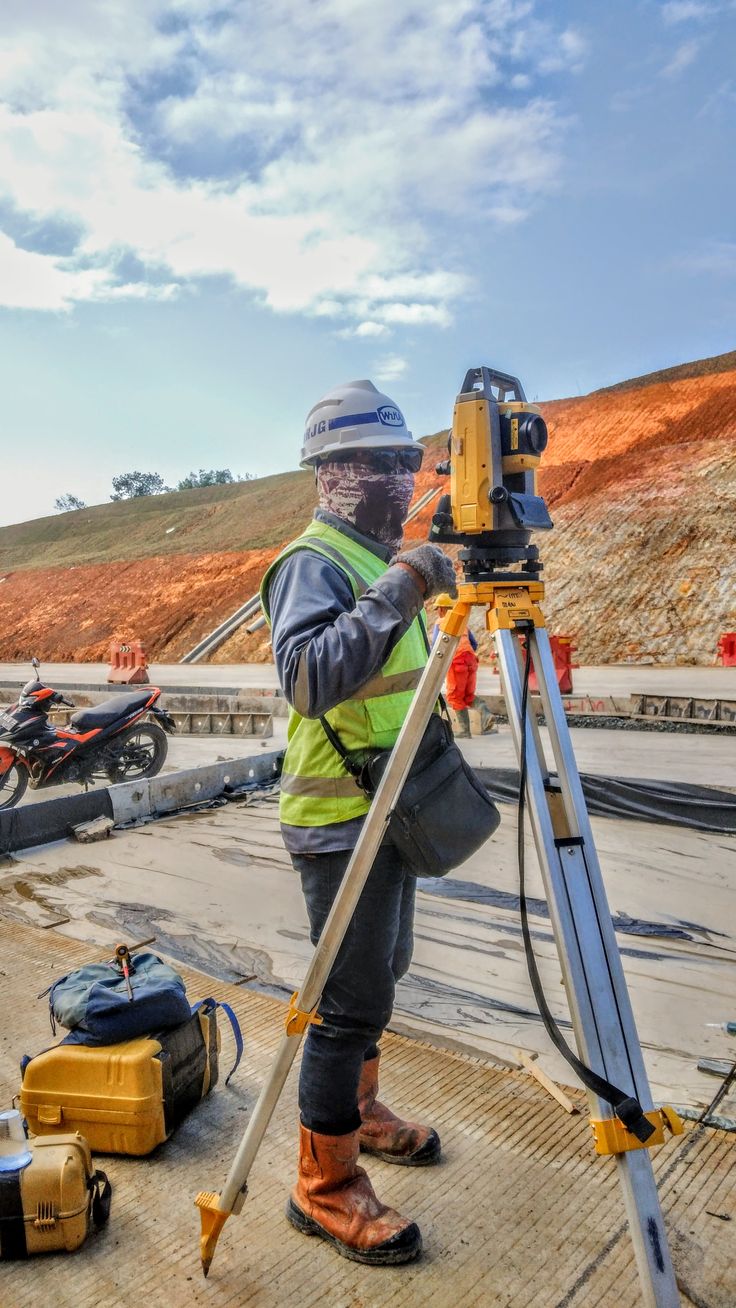
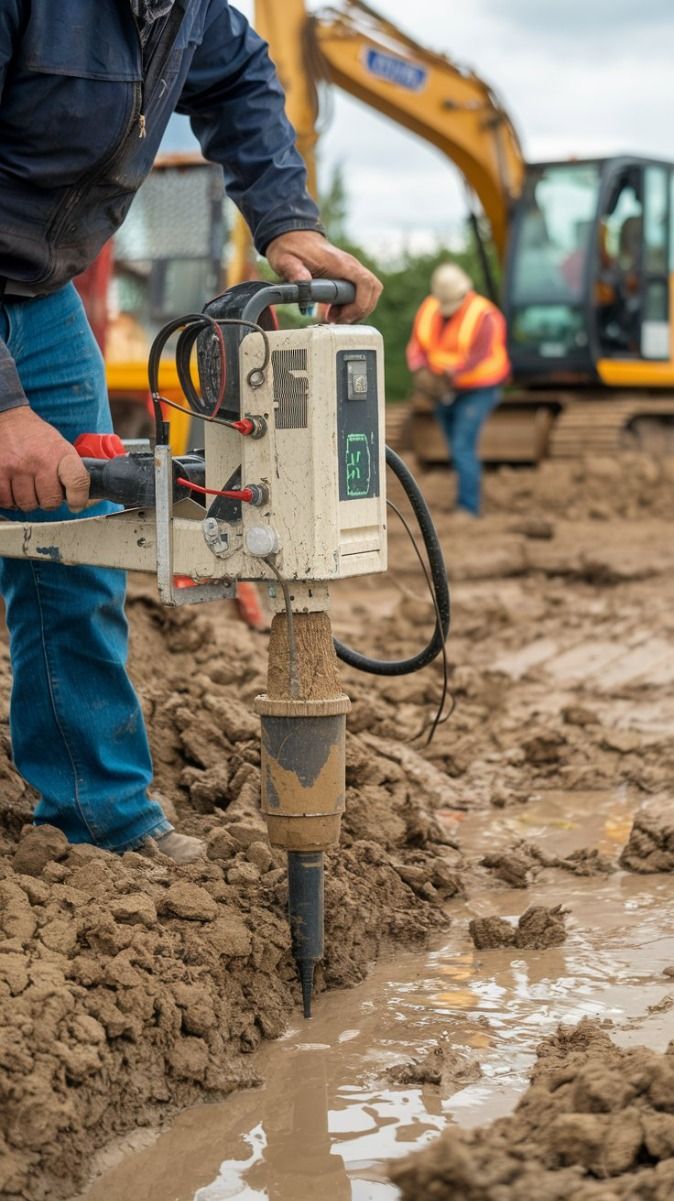
The Geotechnical Engineering working group focuses on promoting geotechnical engineering standards, guidelines, and professional collaboration across Southeast Asia. It provides a platform for member countries to exchange technical information on codes, standards, guidelines, and practices relevant to geotechnical engineering and construction in the region. The group also supports collaboration on related activities, encourages the sharing of recent knowledge among engineers, academics, and policymakers, and contributes input on minimum standards for geotechnical engineering certification and licensing. Through regular engagement and regional cooperation, the working group aims to enhance professional practice, strengthen technical capacity, and promote greater mobility of geotechnical engineering professionals within ASEAN.
Working Group: Energy
Location: Chamomile Room
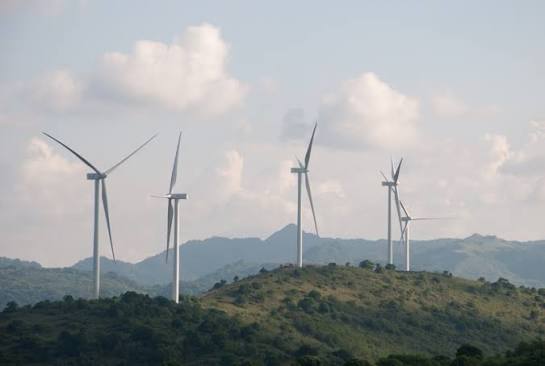
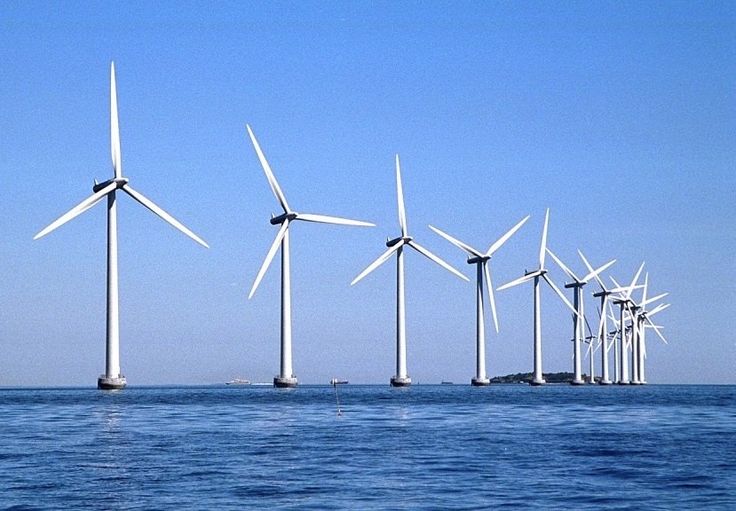
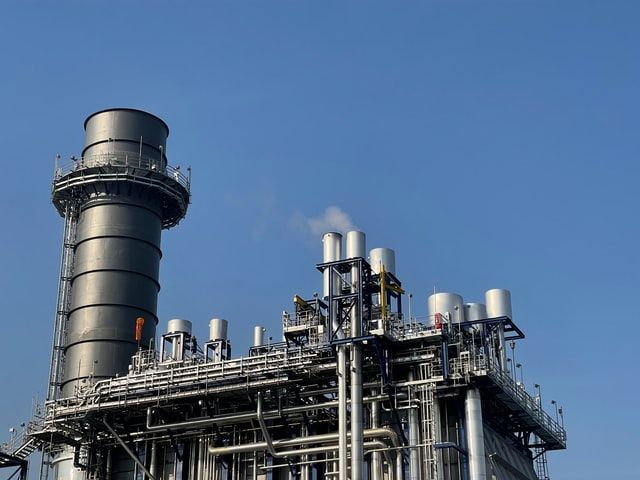
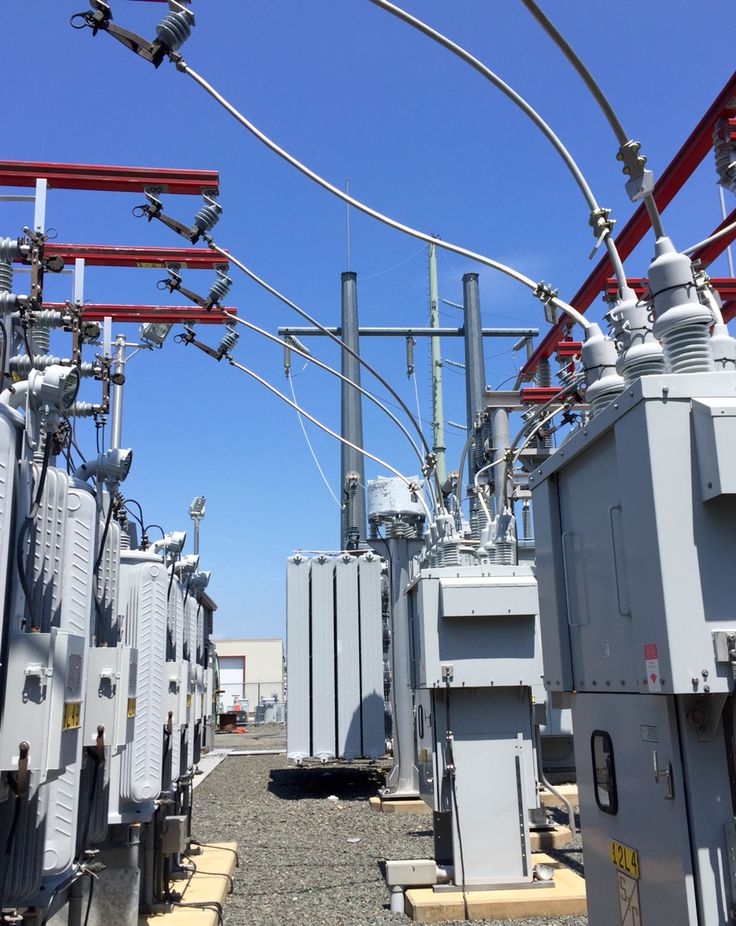
The Energy working group focuses on coordinating and advancing regional strategies, programs, and action plans related to the energy sector across ASEAN. It serves as a platform for AFEO member countries to collaborate on the harmonization of competency requirements, energy efficiency and safety standards, as well as testing and labeling practices. The group also supports the development of sound energy policies by building relationships with relevant bodies and agencies, creating networks of cooperation among energy experts, and fostering partnerships with key stakeholders within and beyond ASEAN. In addition, it contributes to joint communication initiatives, pilot projects, technical reviews, and visibility events that promote awareness and progress on energy-related issues. Through regular coordination, reporting, and the active participation of knowledgeable and committed members, the working group aims to strengthen regional cooperation and support sustainable, safe, and efficient energy development across the AFEO community.

AEI Electronic
Location: Hibiscus Room
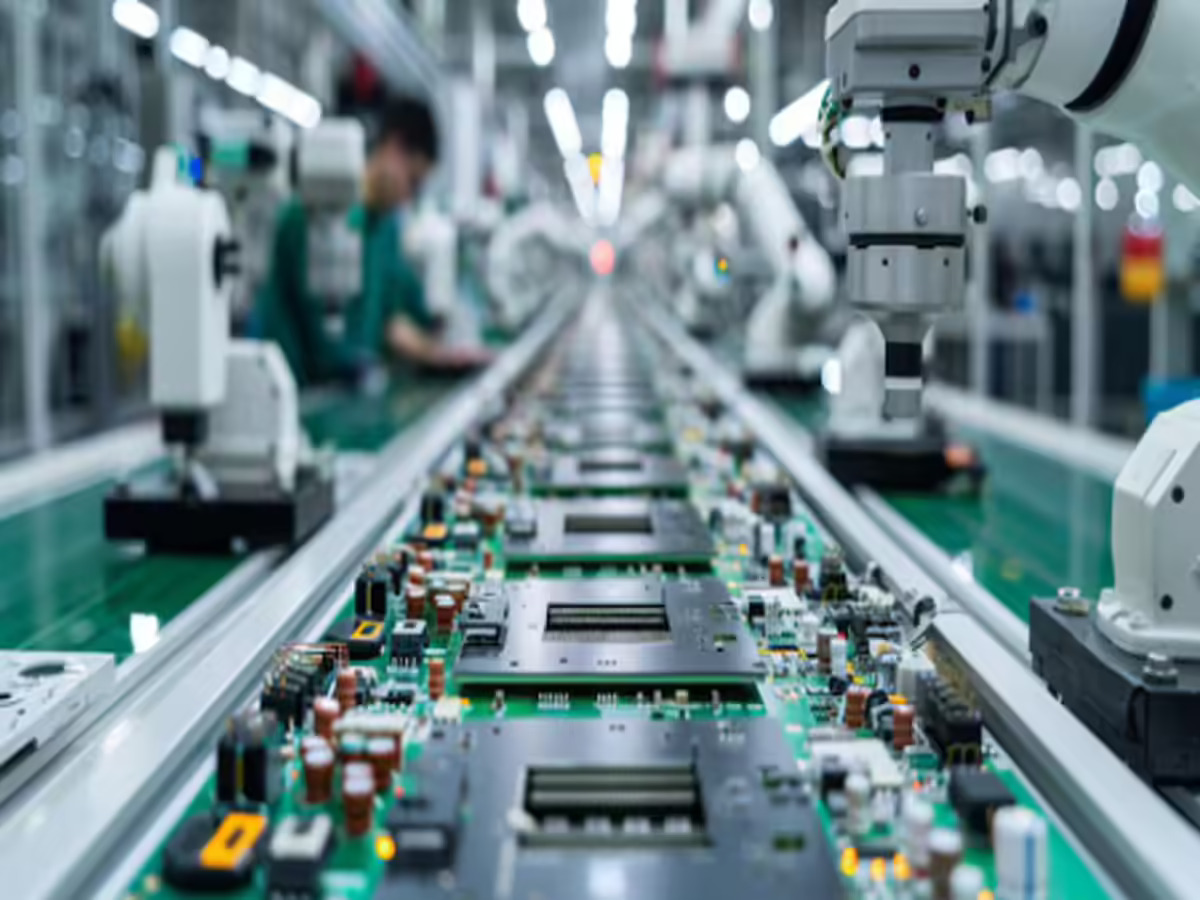
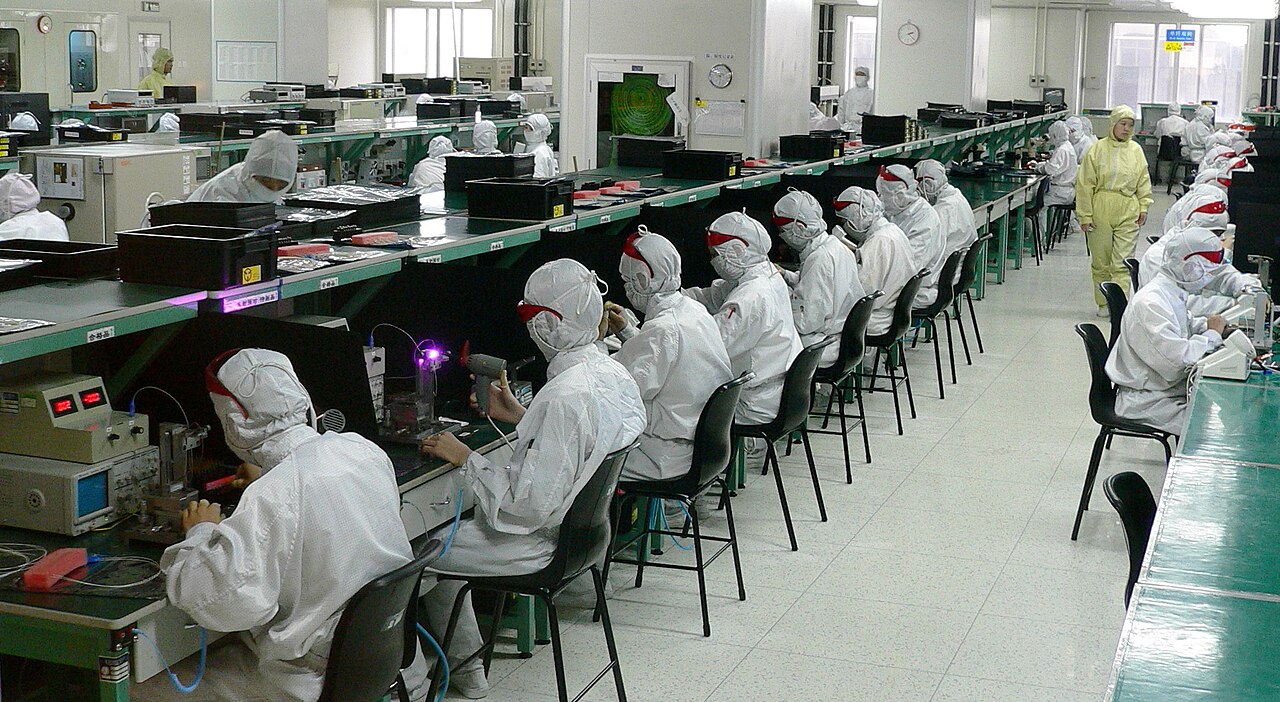
The AEI Electronic Working Group serves as a regional platform under the ASEAN Federation of
Engineering Organisations (AFEO) to promote collaboration, knowledge exchange, and
harmonization in the field of electronic engineering across ASEAN. The group supports the
development of technical guidelines, professional competency, and best practices that respond
to the rapid advancement of electronic technologies and industrial innovation.
Through cooperation among engineering institutions, academia, industry, and government
agencies, the working group encourages discussions on emerging technologies, electronic
systems, embedded solutions, semiconductor applications, automation, and smart
manufacturing. These initiatives contribute to strengthening engineering capabilities, fostering
regional partnerships, and supporting sustainable technological development throughout
ASEAN.

Cafeo 44
WORKING GROUP
Day 2
Pullman Bandung International Convention Center
Wednesday, 21 October 2026
| Working Group Topics | Technical Visit Theme | Venue | Quota | Choose Topics |
|---|---|---|---|---|
| Session 1 | 08:30 - 12:00 | ||||
| Transportation & Logistics | PT KAI Heritage & Infrastructure Tour | PT KAI (Persero) | 40/50 | |
| Engineering for Emerging Technologies | Weapon, Ammunition & Combat Vehicle Production Tour | PT Pindad (Persero) | 41/50 | |
| Disaster Preparedness | Museum Geologi Tour | Museum Geologi | 38/50 | |
| Sustainable Cities | Bandung City Hall & Museum Bandung Tour | Bandung City Hall | 50/50 | |
| Engineering Mobility | Airplane Production Tour | PT Dirgantara Indonesia (PT DI) | 33/50 | |
| AEI Manufacturing & Mechanical | Pharmaceutical & Life Science Engineering | PT Bio Farma (Persero) | 26/50 | |
| Food & Agriculture Engineering | Garden Tour | Bumi Herbal Dago | 30/30 | |
| Session 2 | 13:00 - 14:30 | ||||
| Working Group: Public Private Partnership | - | Early Grey and Sencha Room, 2nd floor | 50/50 | |
Please be informed of the registration deadlines: PT Pindad closes on 18 September 2026, PT Dirgantara Indonesia (PT DI) closes on 5 October 2026, and PT Bio Farma closes on 16 October 2026.
Please log in to select your Working Group.
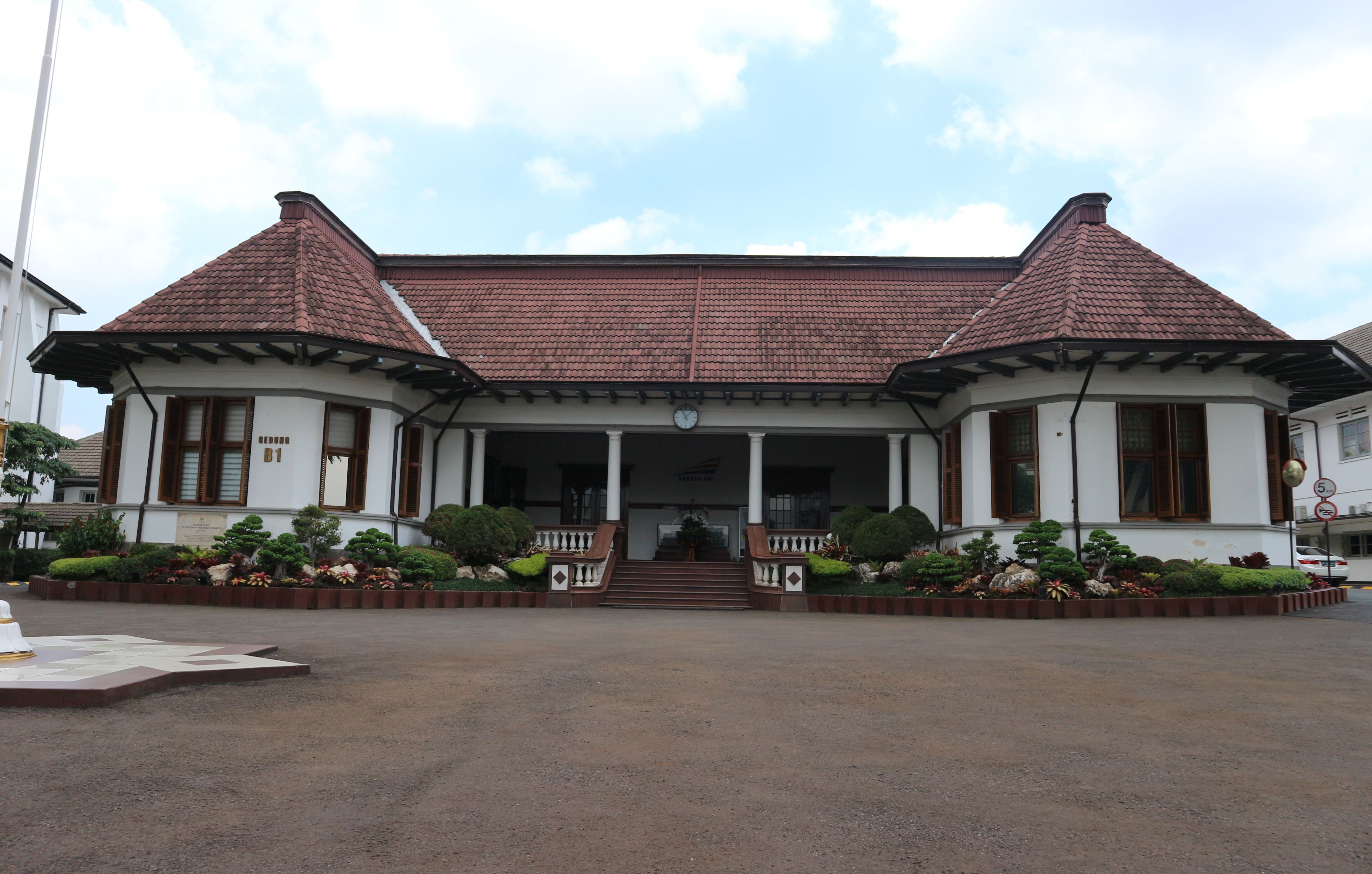
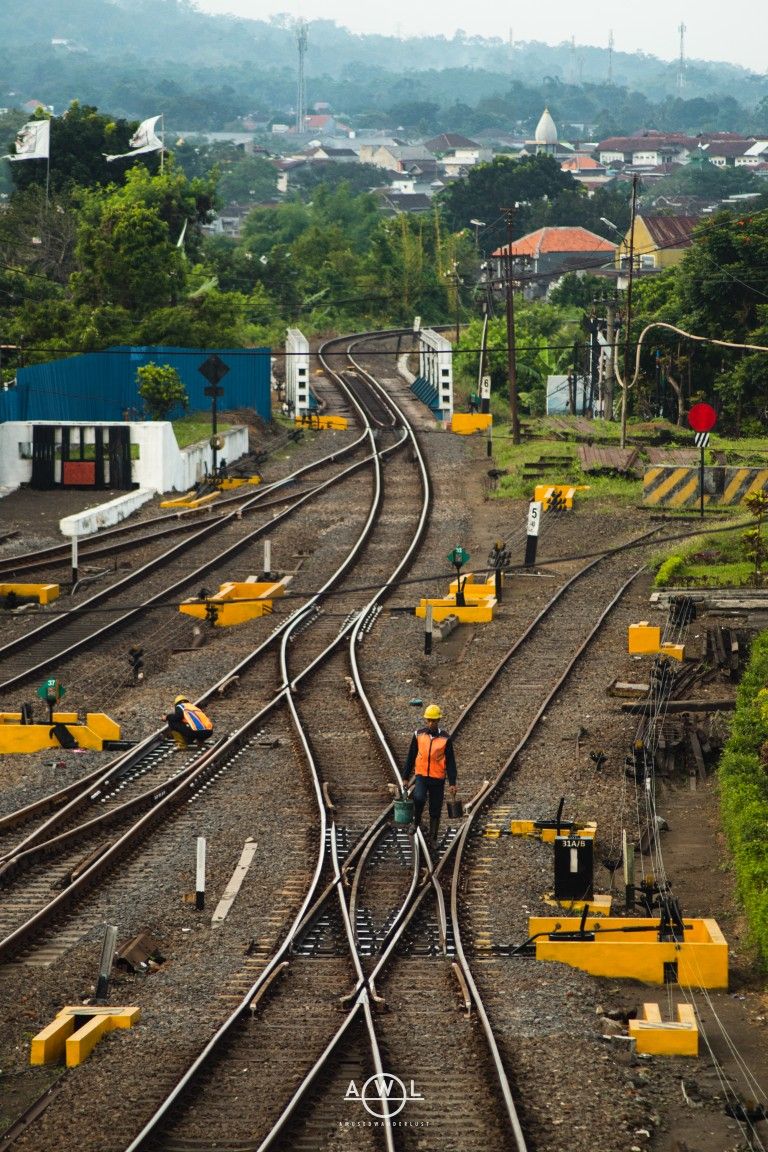
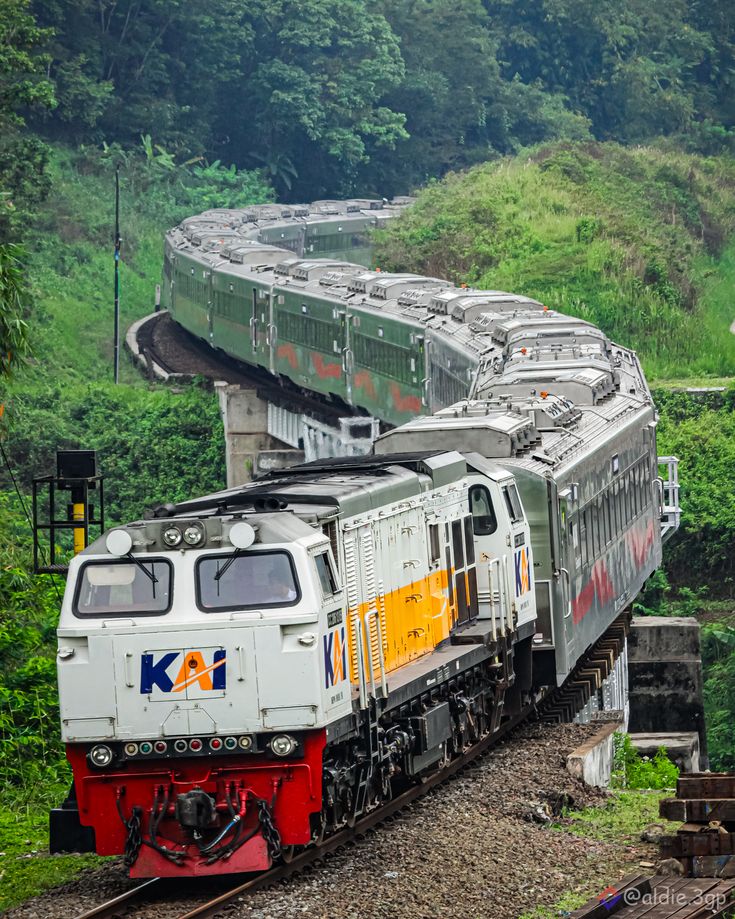
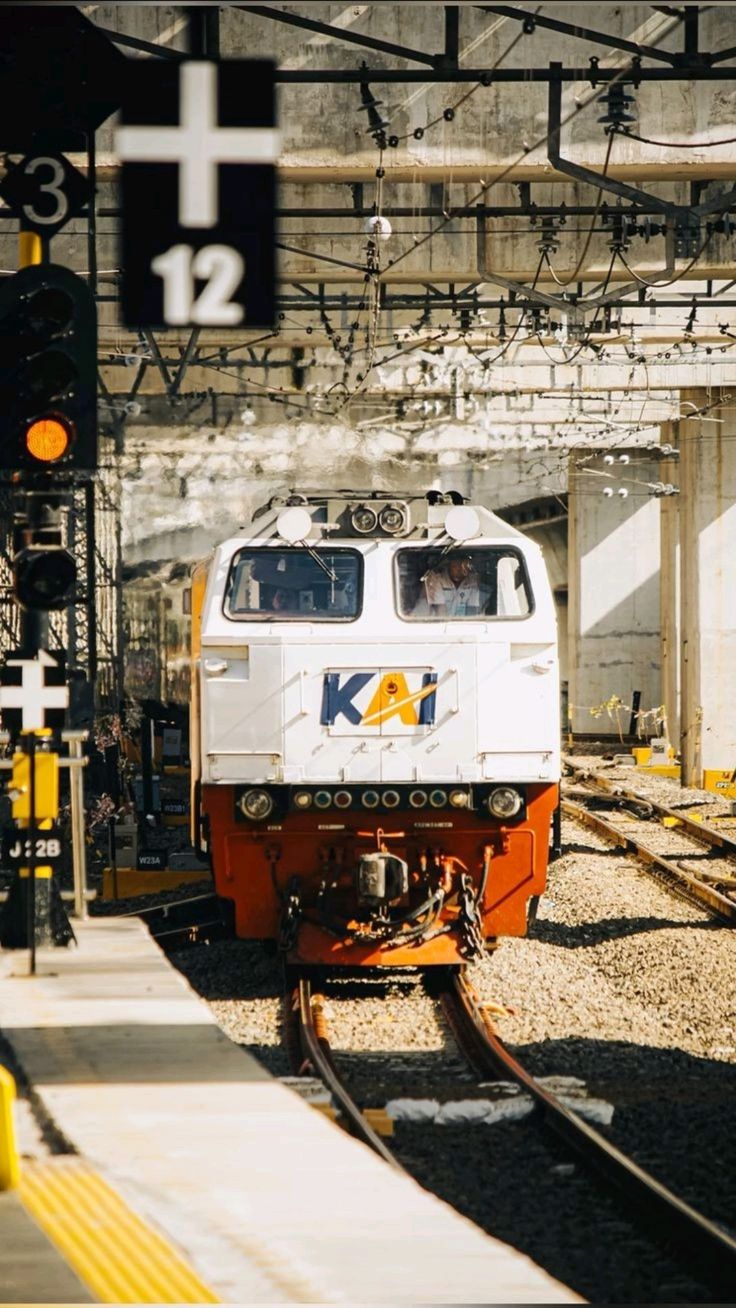
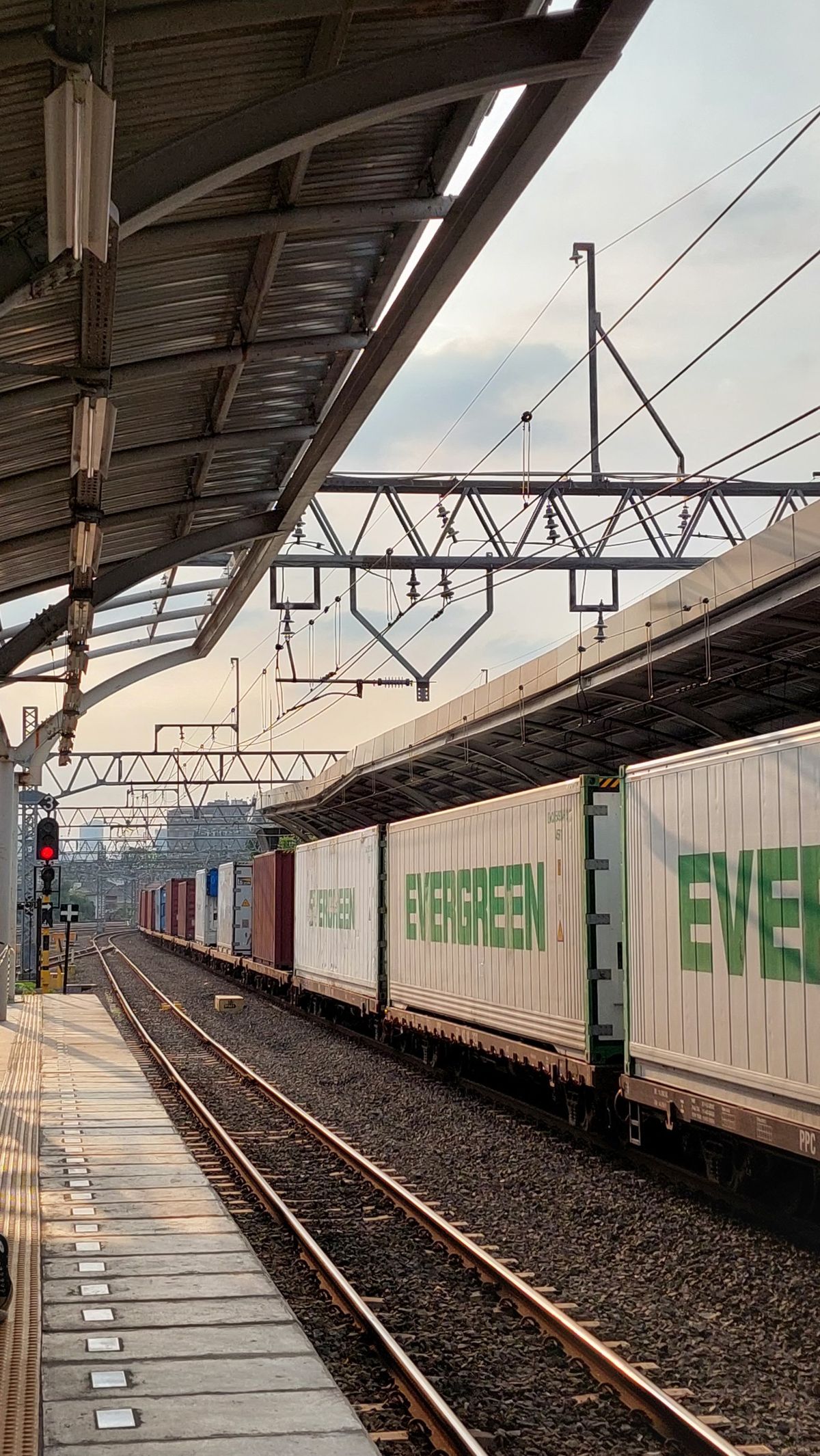
Transportation & Logistics
Location: PT KAI (Persero)
The Transportation and Logistics working group focuses on advancing transportation
and logistics engineering across Southeast Asia and the wider Asian region through
regional collaboration, knowledge exchange, and professional cooperation. It serves
as a platform to promote technical knowledge, share best practices, and strengthen
collaboration among engineering professionals and organizations involved in
transportation and logistics. The group also supports the review and improvement of
standards, guidelines, and professional practices in the sector, while encouraging
the exchange of ideas and the mobility of transportation and logistics engineers
across the region. Through these efforts, the working group aims to contribute to
the development of efficient, connected, and sustainable transportation and
logistics systems.
As a leading force in Indonesia’s transportation sector, PT Kereta Api Indonesia
(Persero) (KAI) provides an ideal setting for this discussion. As the nation’s
state-owned railway company, KAI plays a vital role in strengthening connectivity
and sustainable mobility through passenger and freight services across Java and
Sumatra. With its continued focus on innovation, digital transformation, and
infrastructure development—including support for major projects such as LRT
Jabodebek and the Jakarta–Bandung High-Speed Railway (Whoosh)—KAI reflects the key
themes of integration, efficiency, and sustainability that are central to the
working group.
Engineering for Emerging Technologies
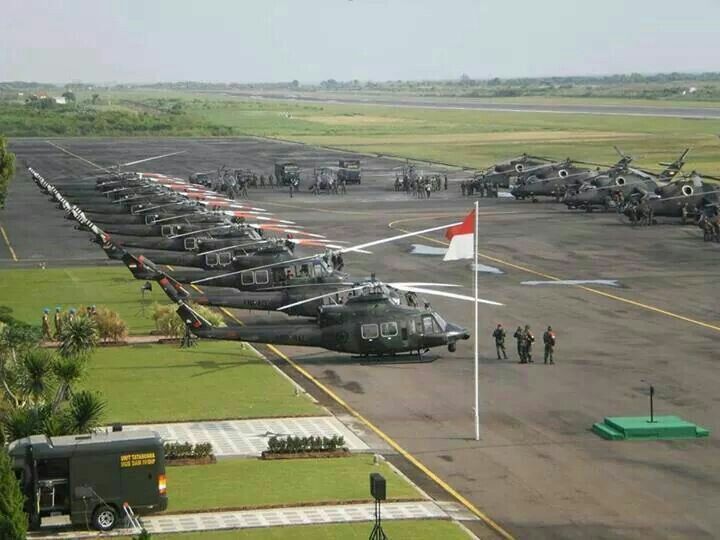
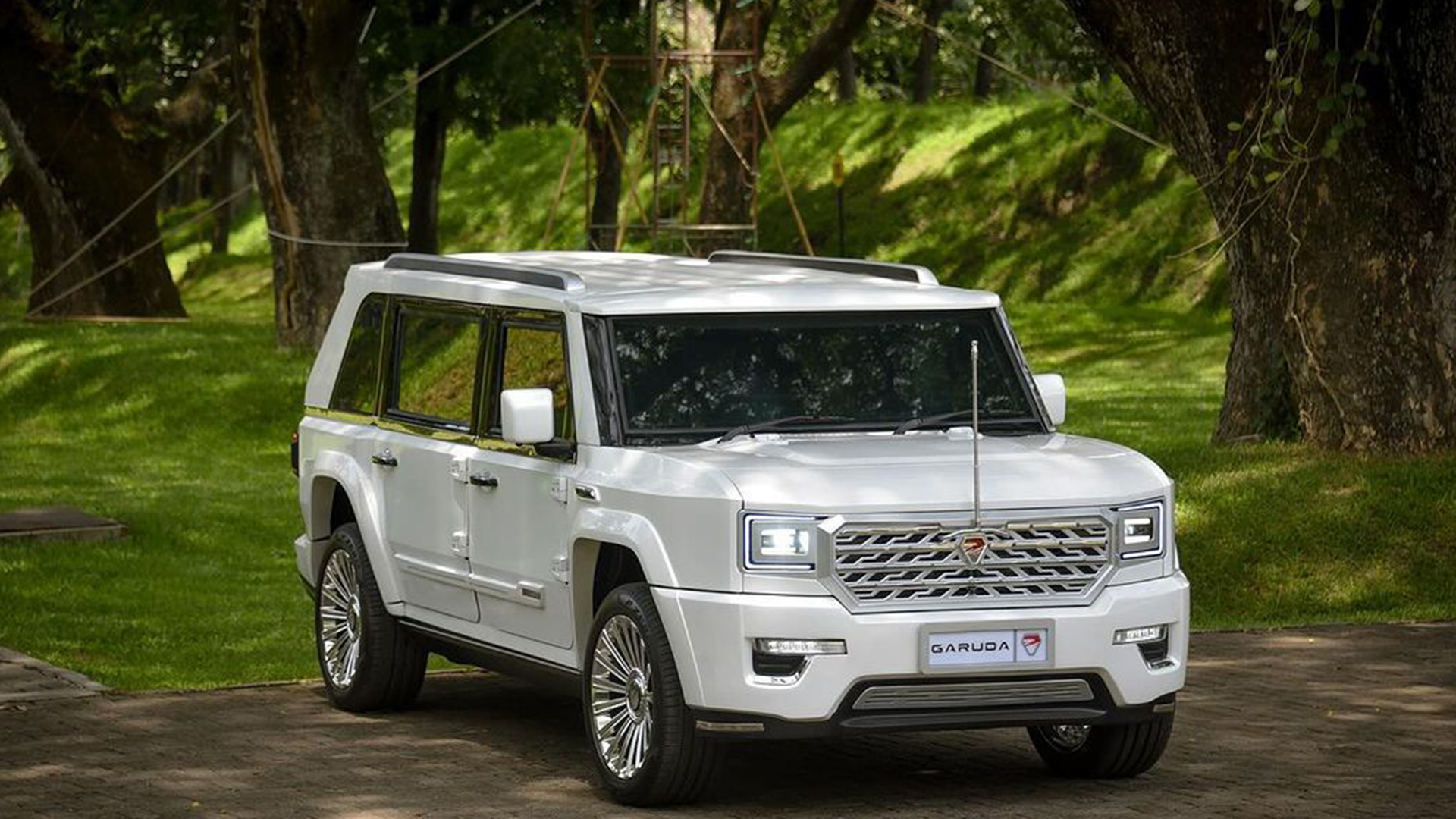
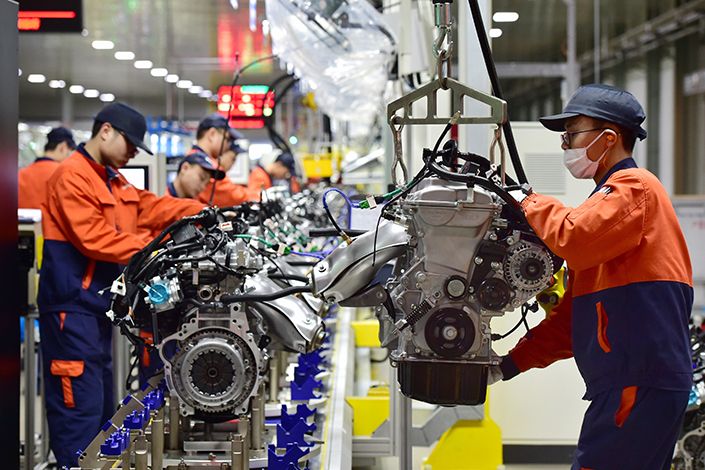
Location: PT Pindad (Persero)
The Engineering for Emerging Technologies working group focuses on identifying,
advancing, and promoting innovative engineering technologies that support
sustainable development across the AFEO community. It serves as a platform for
knowledge sharing, collaboration, and professional exchange on new and emerging
technologies with the potential to address regional challenges, strengthen
industrial capability, and improve quality of life. The group also aims to support
policymaking through professional expertise, promote best practices, and strengthen
public recognition of engineering innovation within ASEAN. Through conferences,
workshops, and strategic partnerships with experts and key stakeholders, the working
group fosters cooperation and encourages the responsible application of emerging
technologies.
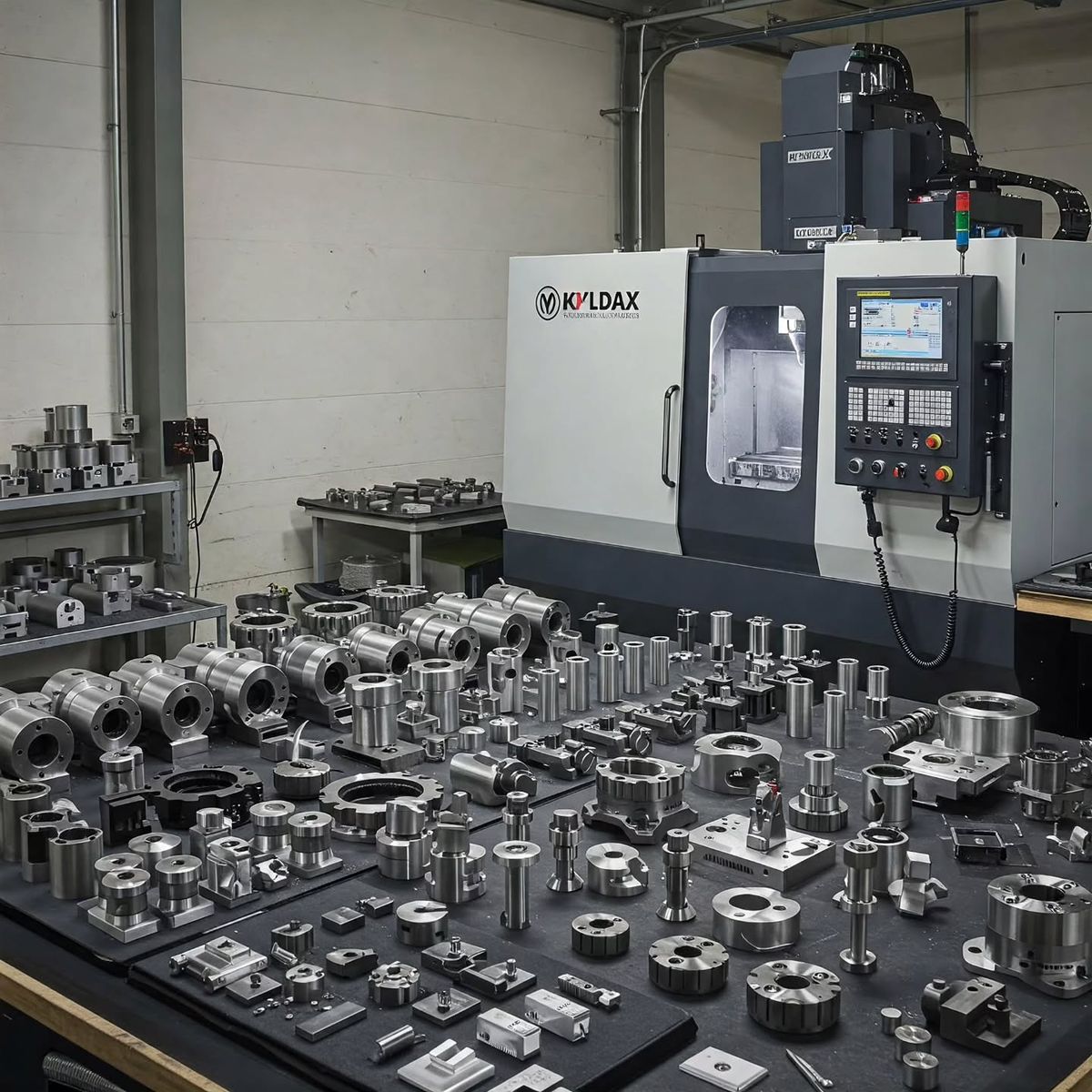
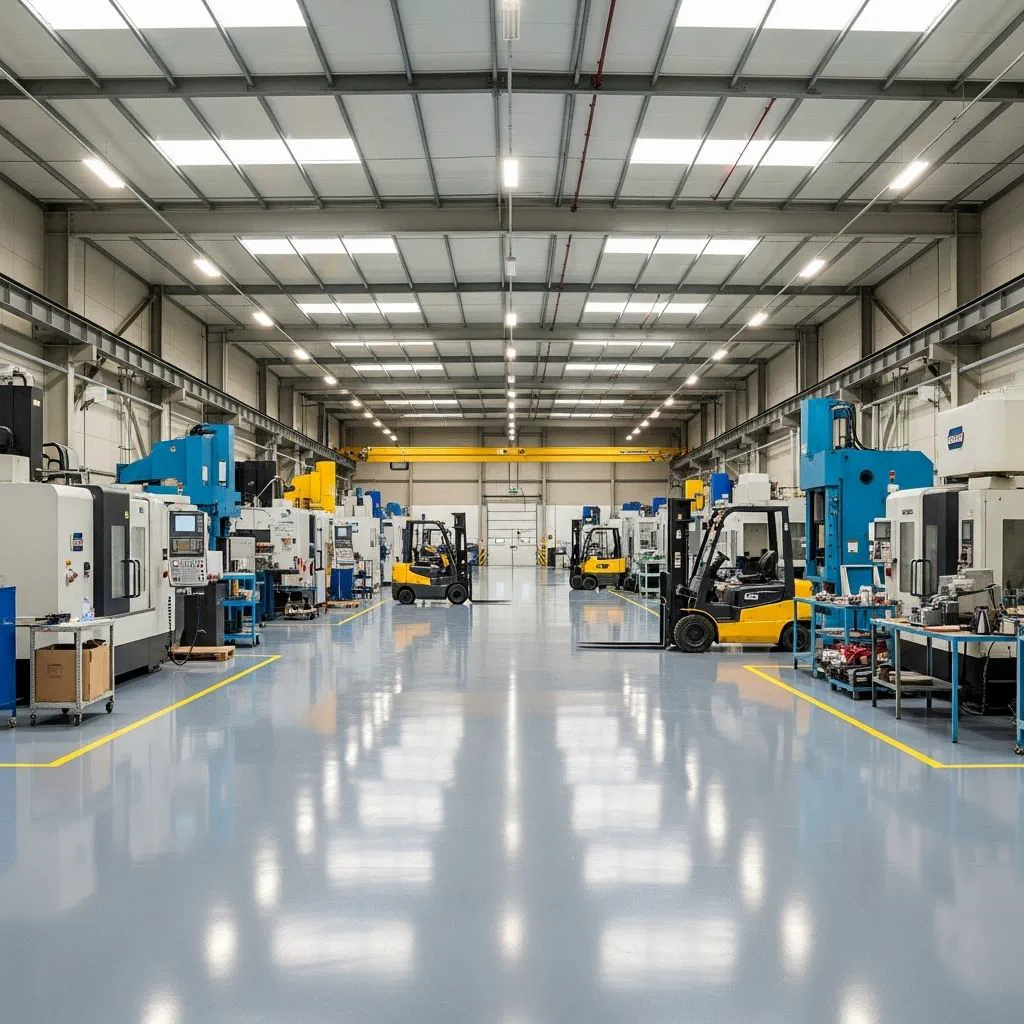
As a company recognized for its strong commitment to innovation, industrial
technology, and advanced engineering, PT Pindad (Persero) provides a relevant
setting for this working group. As an Indonesian state-owned enterprise specializing
in defense and industrial products, PT Pindad develops a wide range of equipment,
including military vehicles, weapons, ammunition, and heavy machinery that reflect
the practical application of engineering innovation in manufacturing and national
development. Its role in strengthening technological capability and supporting the
growth of Indonesia’s industrial sector aligns closely with the working group’s
focus on emerging technologies, innovation, and the advancement of engineering
solutions for the future.
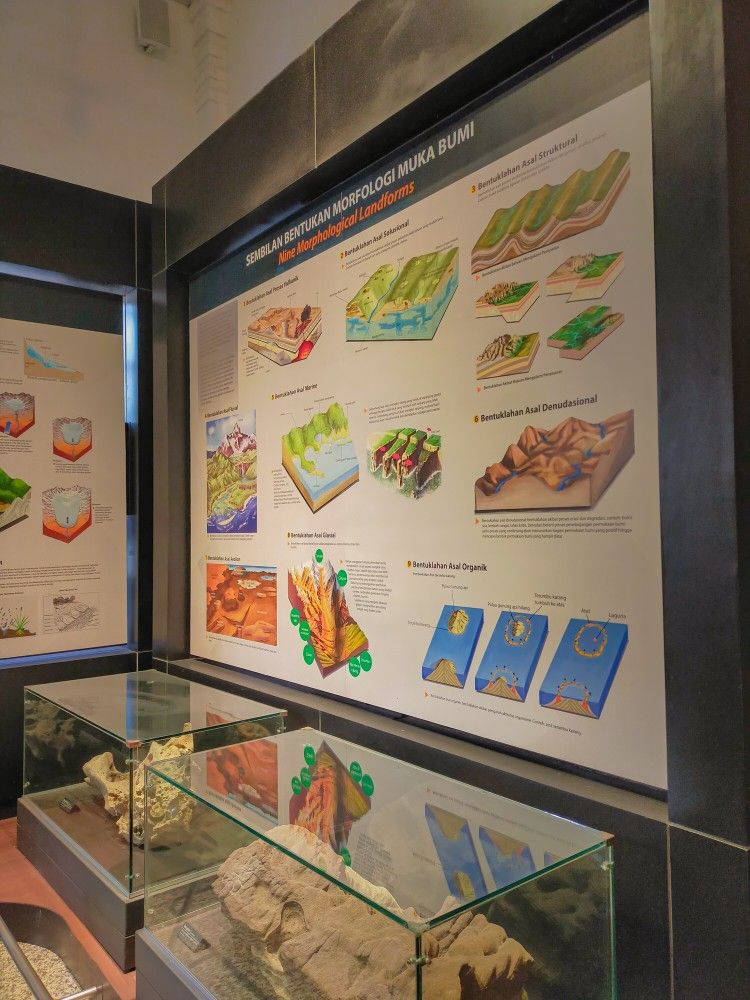
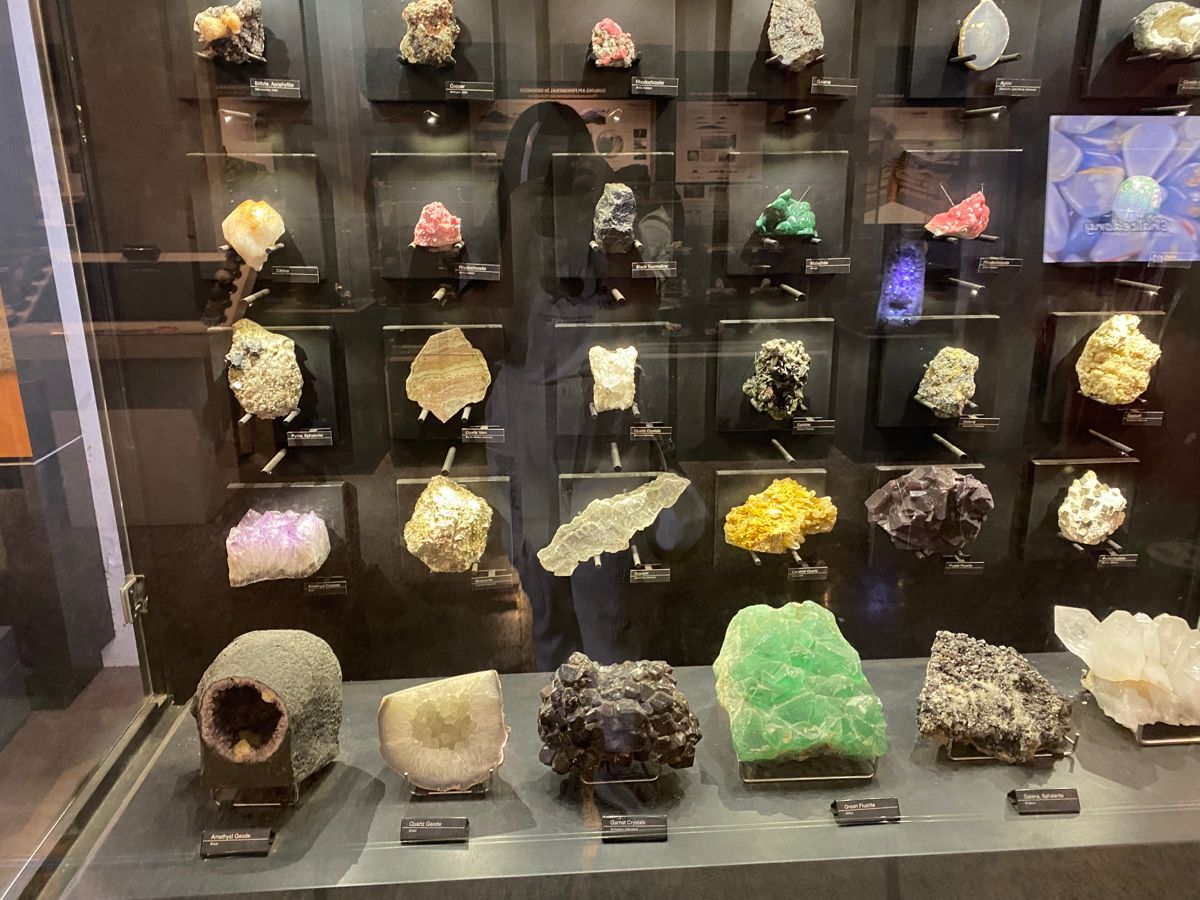
Disaster Preparedness
Location: Museum Geologi
The Disaster Preparedness working group focuses on strengthening regional readiness,
response, and recovery capacity for natural disasters across ASEAN. It provides a
platform for sharing knowledge, country experiences, and technical expertise related
to earthquakes, floods, storms, droughts, landslides, tsunamis, volcanoes,
wildfires, coastal erosion, land subsidence, and the impacts of climate change.
Discussions will cover preparedness and alertness, emergency response, post-disaster
recovery, reconstruction, and the exchange of information on disaster incidents,
impacts, and remedial actions. The working group also encourages collaboration among
experts, organizations, and volunteer engineers to develop inspection processes,
restoration networks, and coordinated engineering support for disaster-prone areas,
with the goal of enhancing resilience and strengthening regional cooperation.
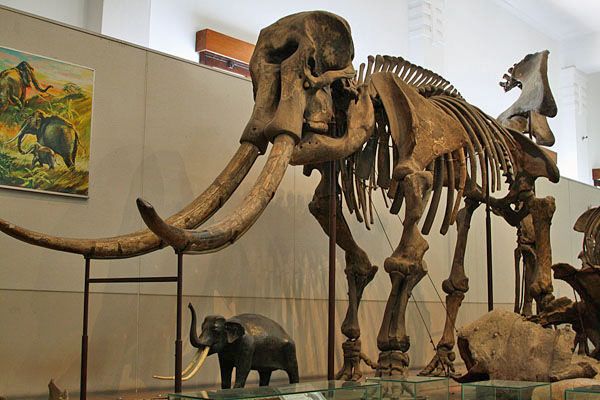
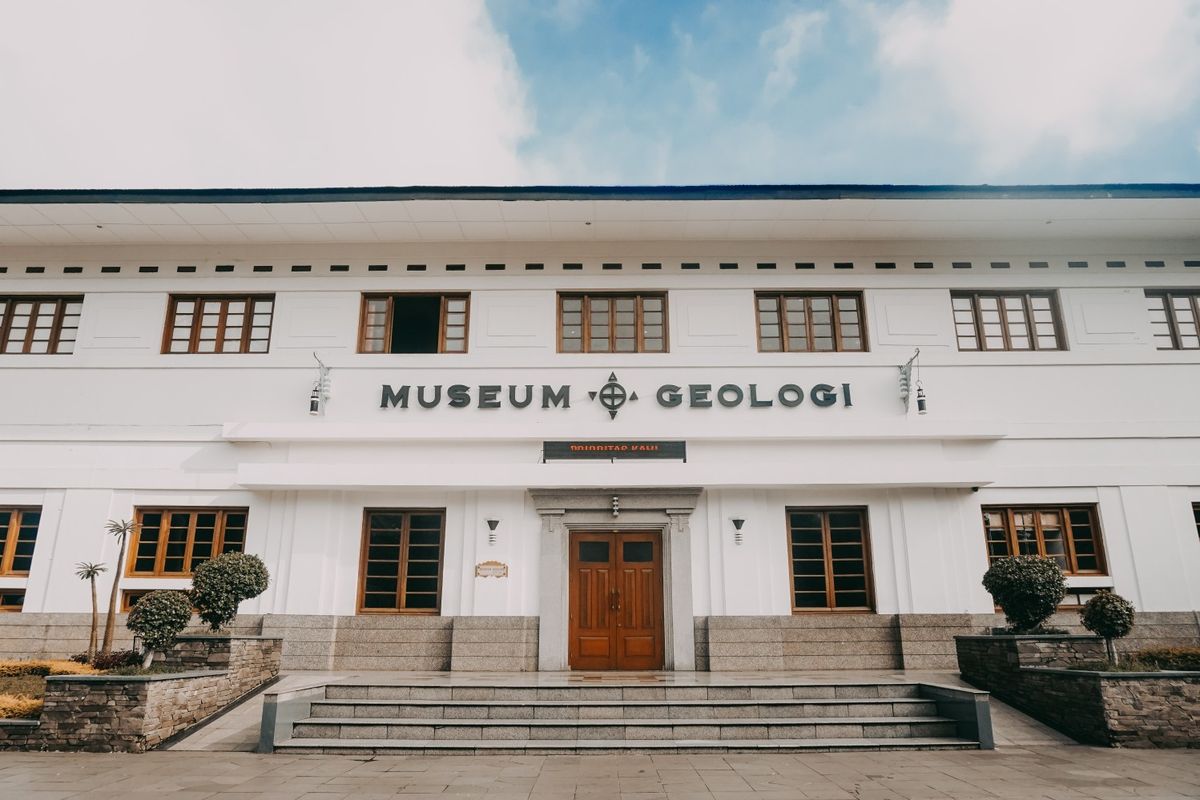
As a center for geological education and public awareness, Museum Geologi Bandung
provides a highly relevant setting for this working group. The museum offers
valuable insight into the Earth’s history, Indonesia’s geological development, and
natural processes that are closely linked to disasters such as earthquakes,
volcanoes, and landslides. Through its extensive collections and educational
exhibitions, the museum helps deepen understanding of the natural forces that shape
the region and affect human life. Its role in promoting scientific literacy and
awareness of Indonesia’s geological conditions closely supports the working group’s
focus on preparedness, risk understanding, and the importance of knowledge-based
approaches to disaster mitigation and recovery.
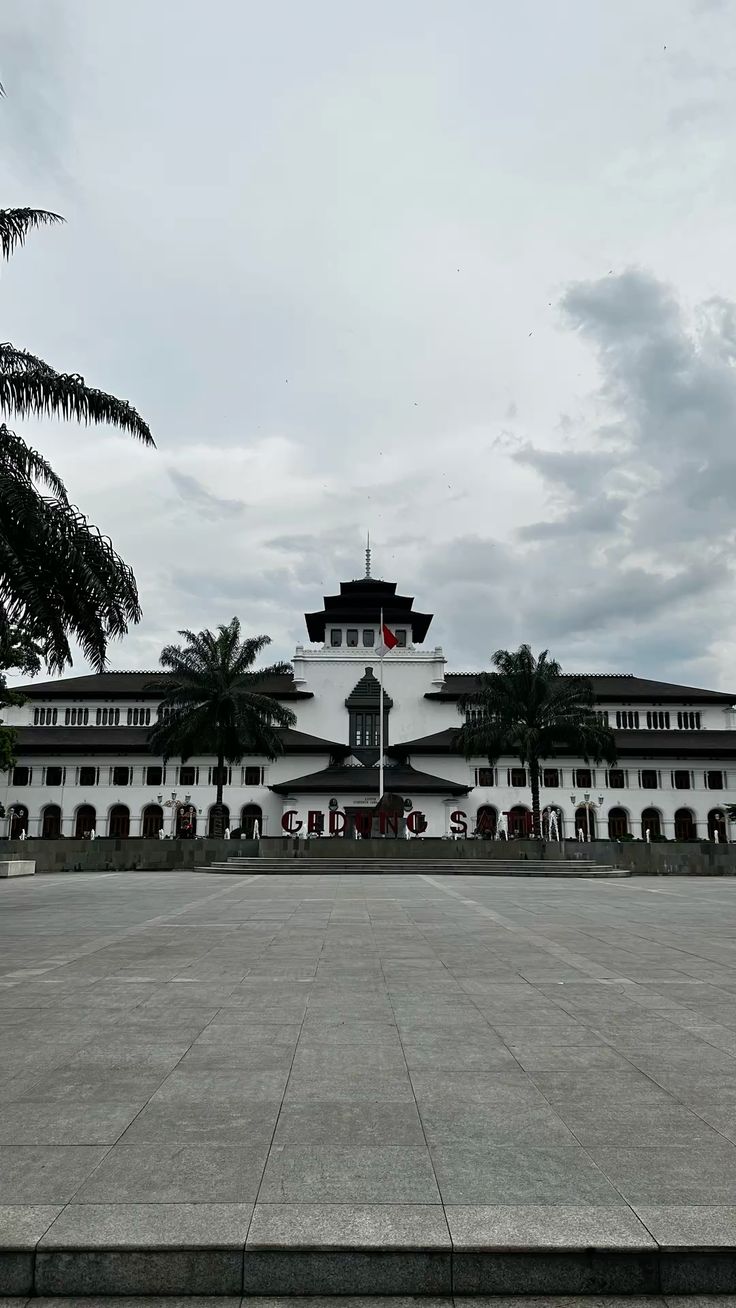
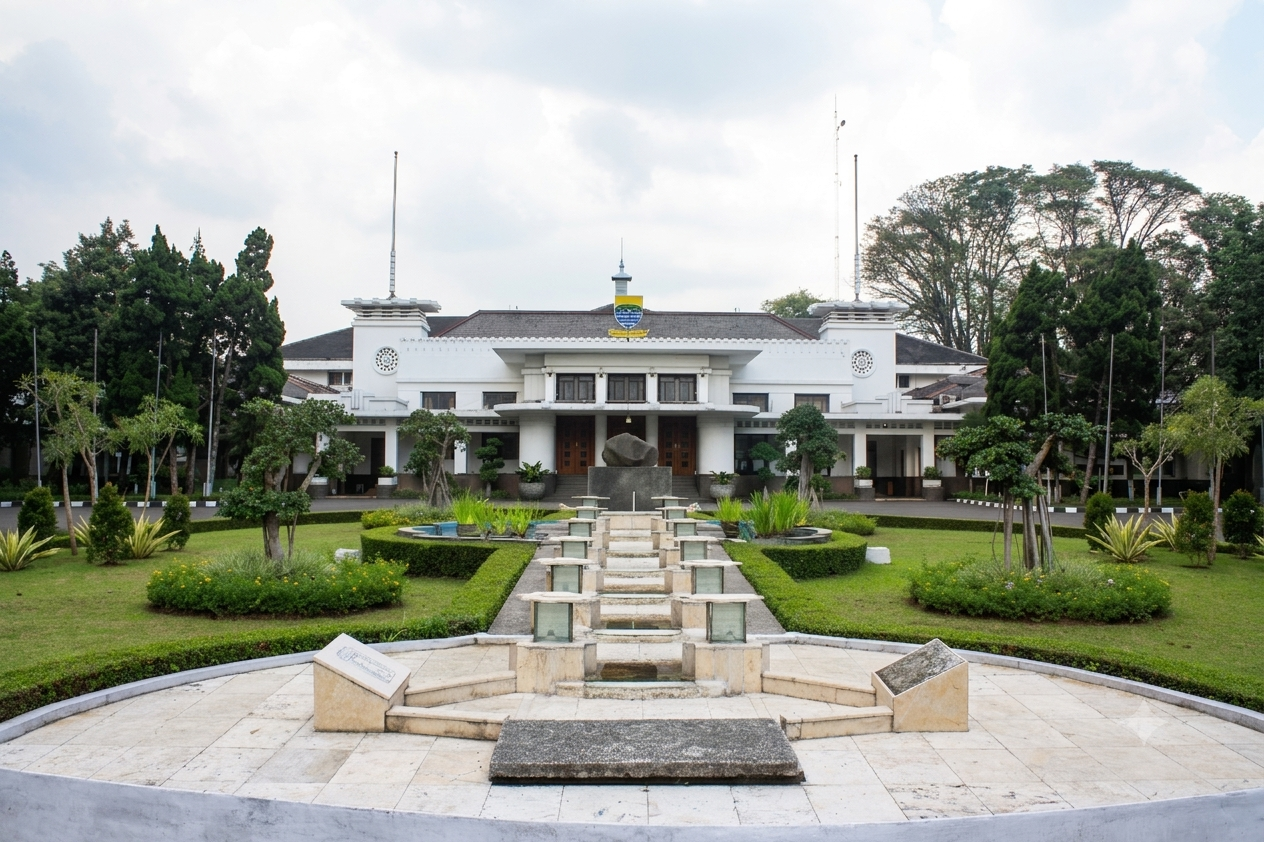
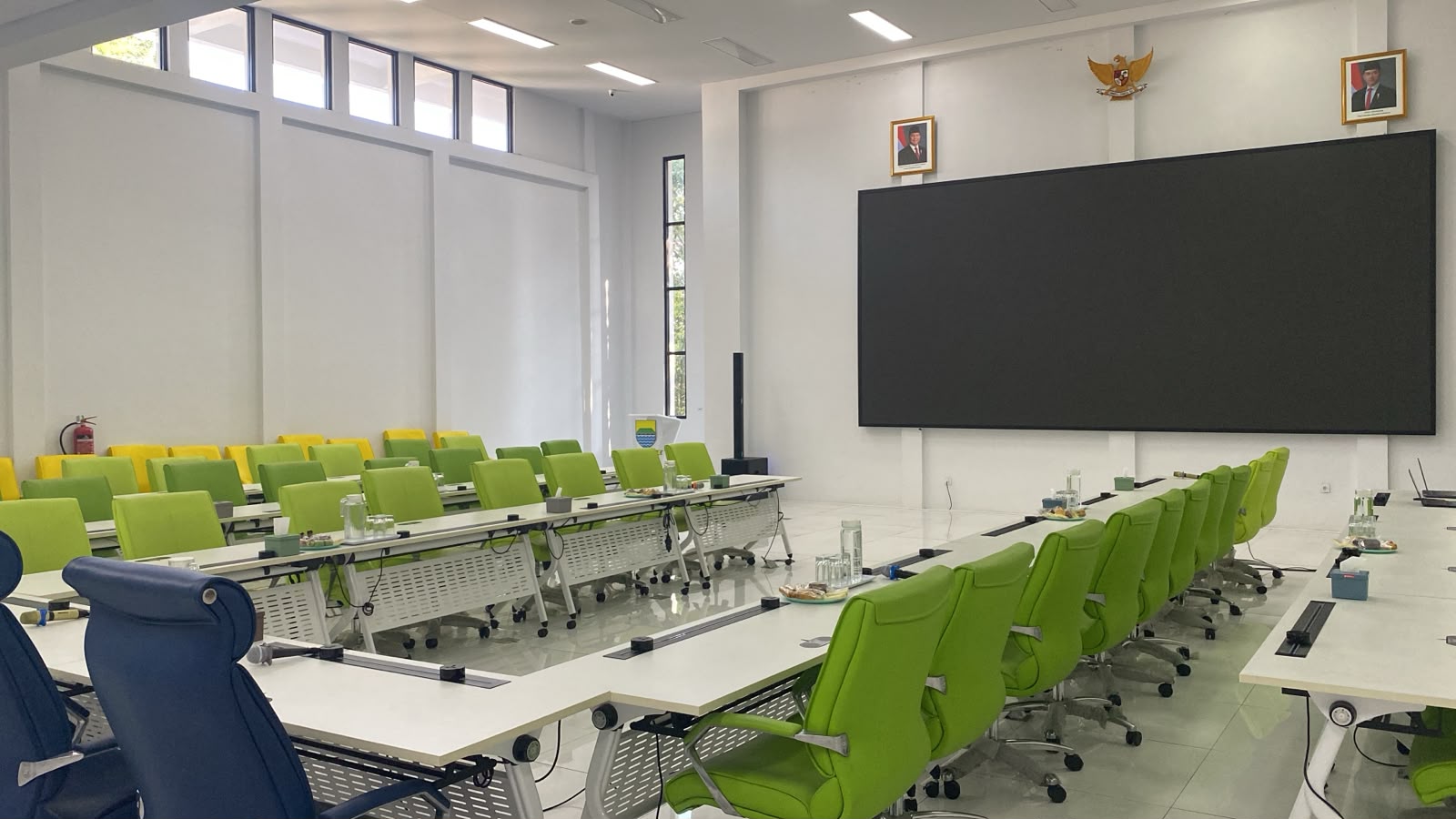
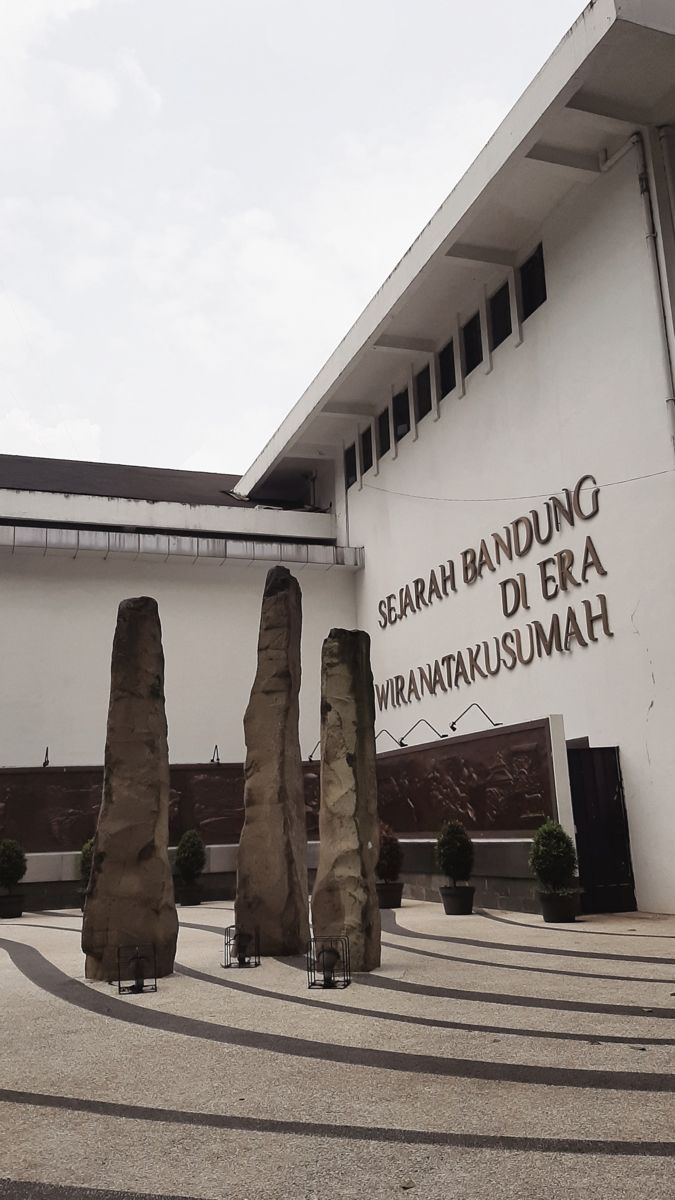
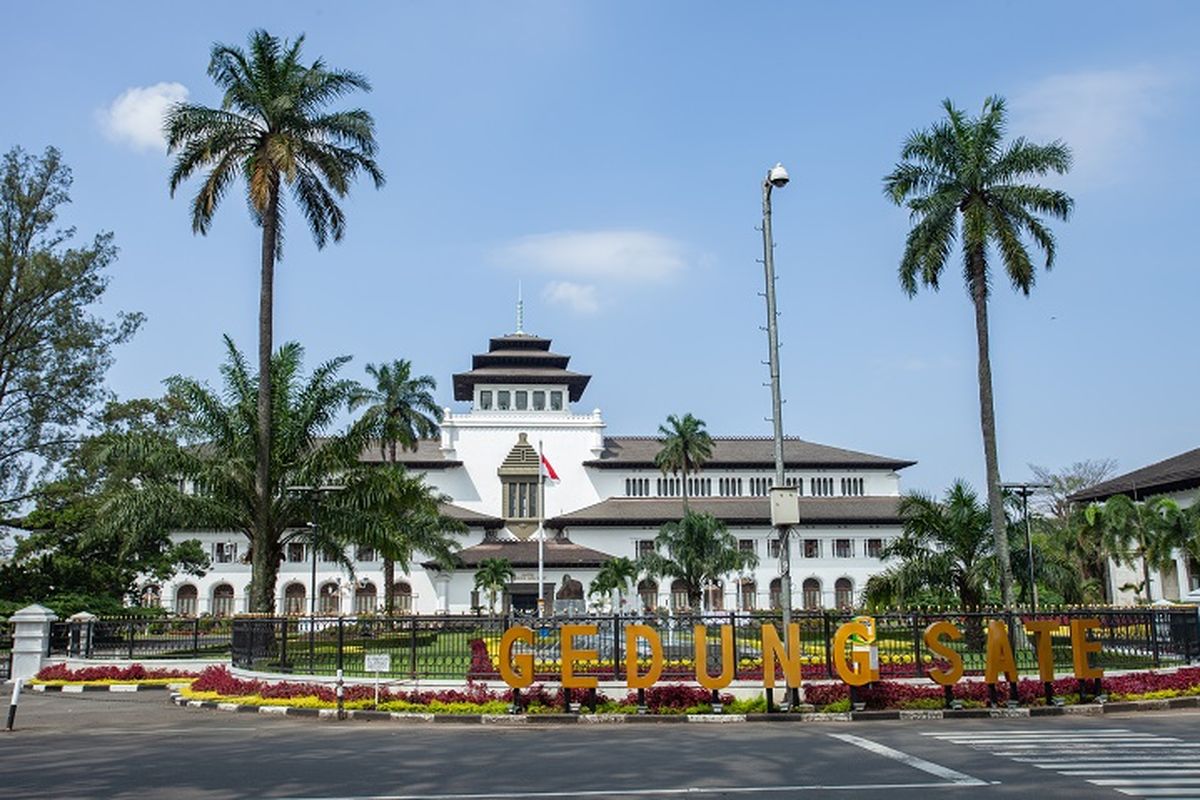
Sustainable Cities
Location: Bandung City Hall
The Sustainable Cities working group focuses on promoting well-planned,
well-maintained, and inclusive urban environments that provide safe, efficient, and
healthy living and working conditions for their communities. It serves as a platform
for engineering institutions across ASEAN to contribute professional expertise and
practical input to government agencies in the development of sustainable cities. The
group encourages information sharing on key aspects of sustainable urban
development, including policy, implementation, detailed design, and the training
needed for engineers to effectively support city planning and infrastructure
development. It also aims to strengthen access to guidelines, standards, and minimum
provision data for buildings and infrastructure, while exploring the development of
urban frameworks that are relevant to the ASEAN context. Through these efforts, the
working group seeks to enhance engineering competence, support better
decision-making, and advance sustainable city development across the region.
As the facilitator of this working group, the Bandung City Government provides a
highly relevant context for the discussion of sustainable urban development. As one
of Indonesia’s major cities, Bandung continues to address the challenges and
opportunities of urban growth through efforts in planning, public services,
infrastructure, and environmental management. Its role in shaping policies and
implementing city-level solutions reflects the importance of collaboration between
government and engineering professionals in building more livable, resilient, and
sustainable cities. This practical urban perspective aligns closely with the working
group’s focus on innovation, implementation, and the development of city frameworks
suited to the ASEAN context.
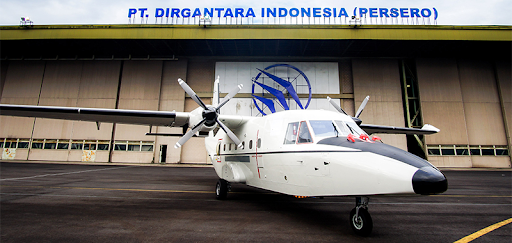
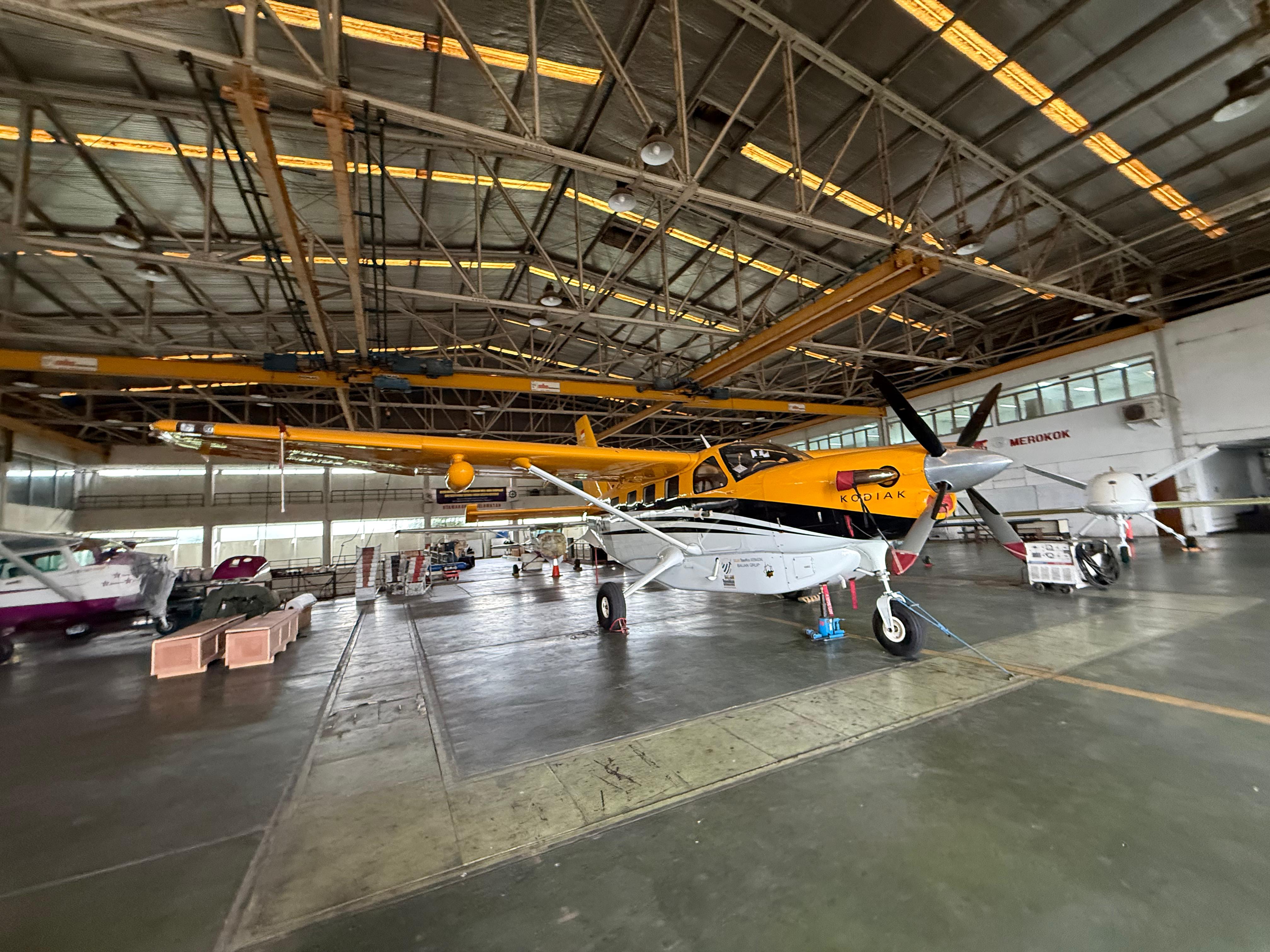
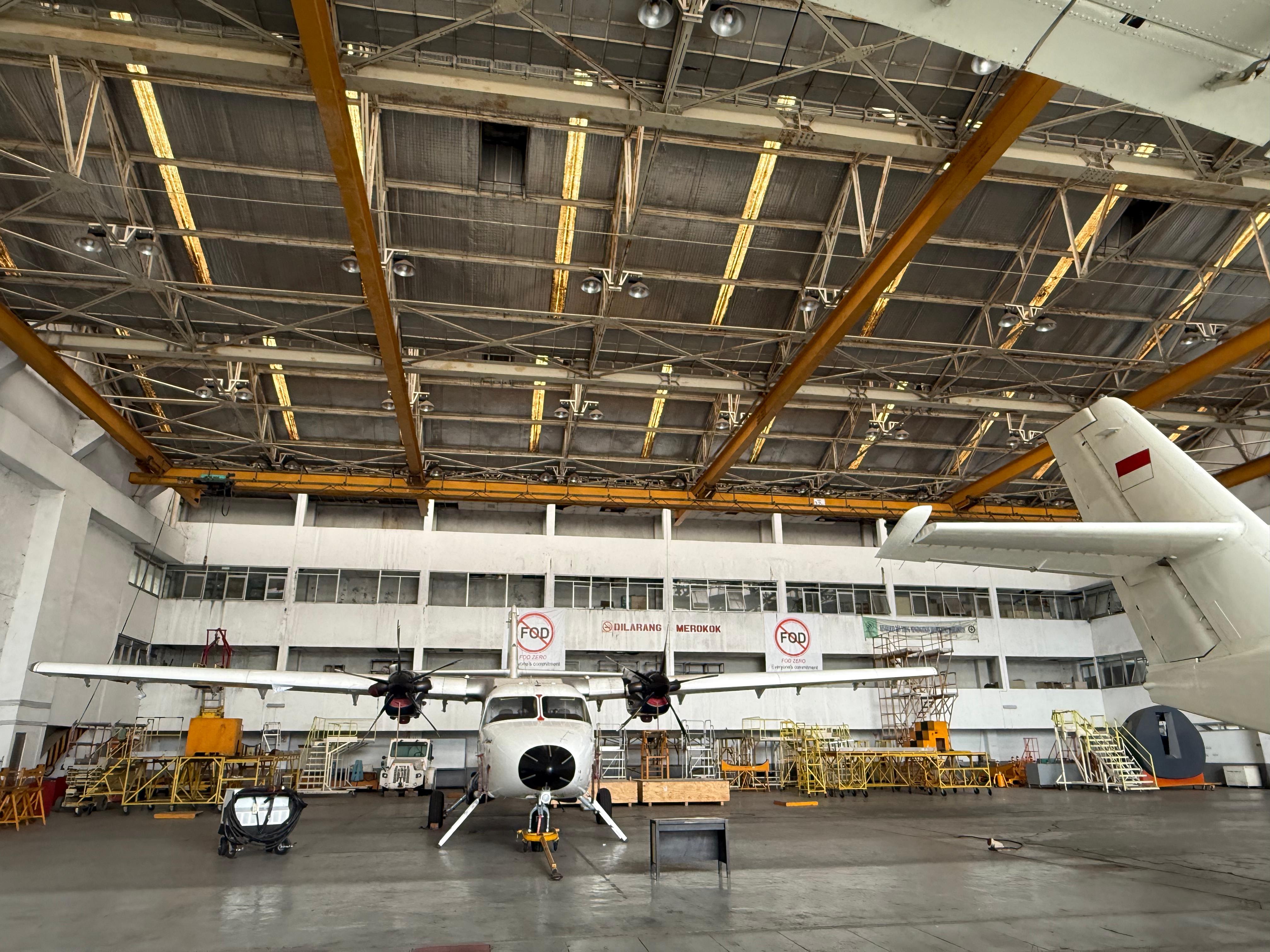
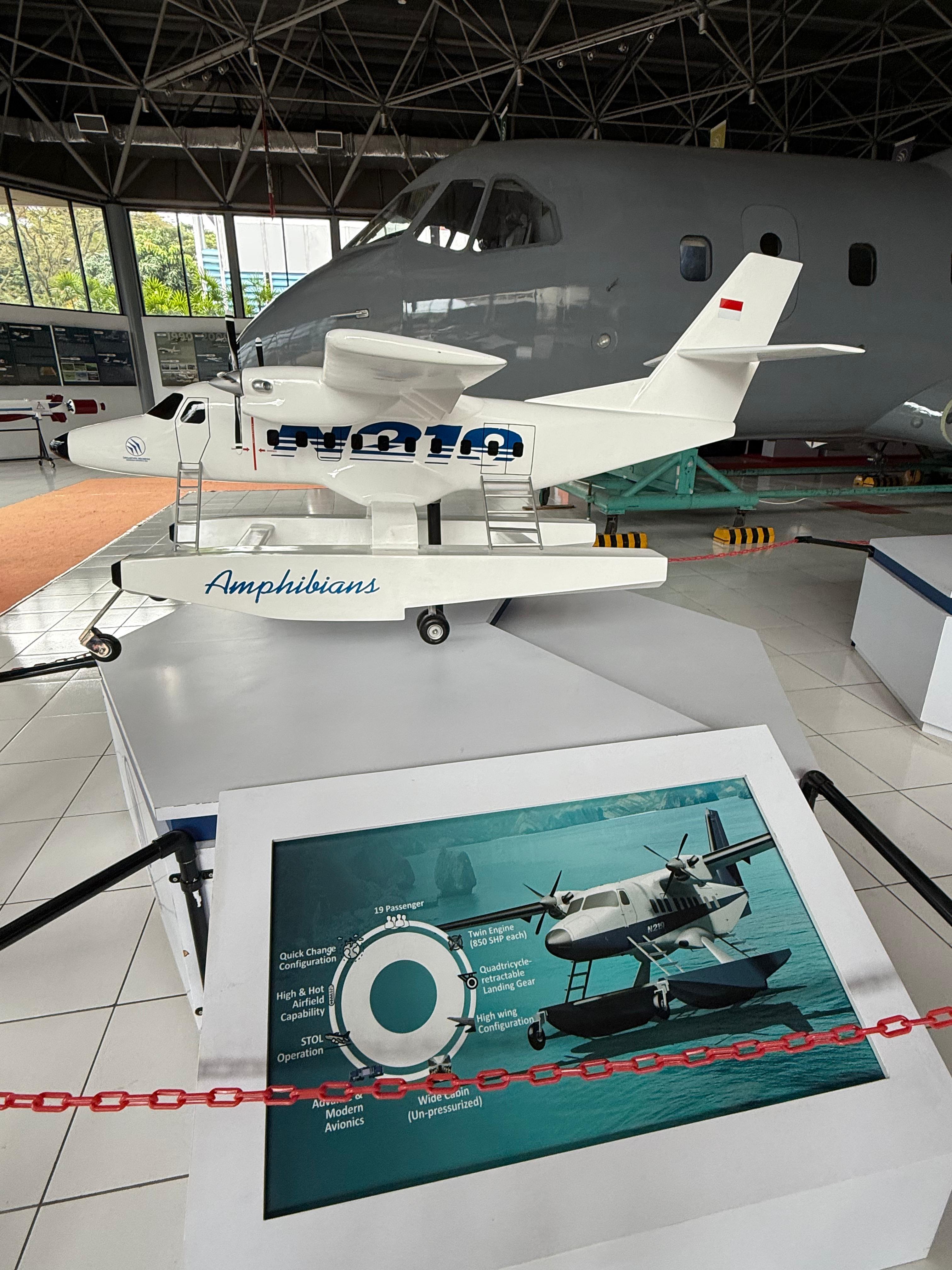
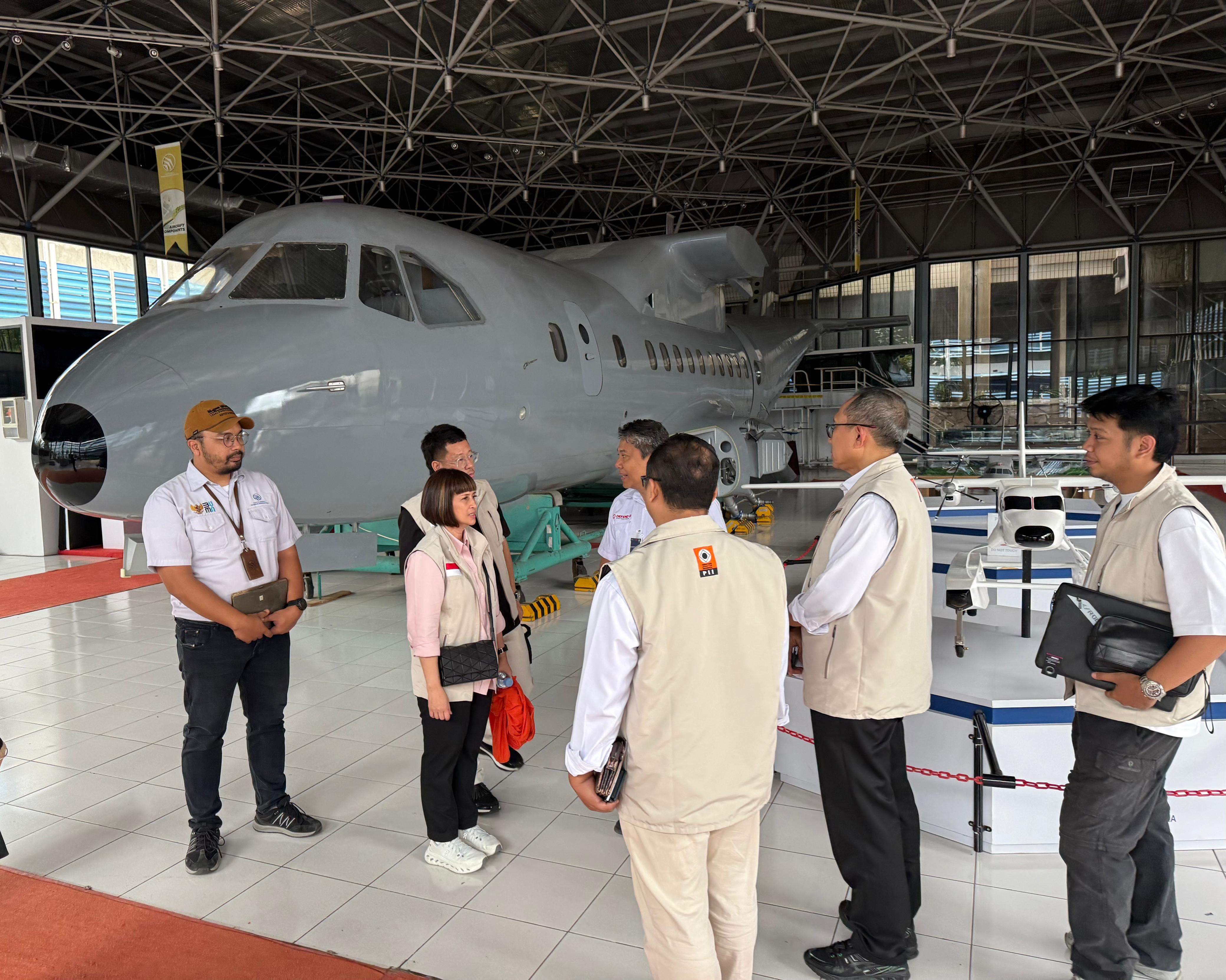
Engineering Mobility
Location: PT Dirgantara Indonesia (PT DI)
The Engineering Mobility working group focuses on strengthening the mobility of
engineers across ASEAN by promoting greater alignment in qualifications, competence,
and professional standards. It provides a platform to discuss the benchmarking and
continuous improvement of qualifications for the ASEAN Engineering Register,
including the assessment of substantial equivalence, recognition of qualification
processes, and the sharing of best practices among member countries. The group also
supports efforts to improve the mobility of graduate and professional engineers by
addressing educational preparation, competence development, capacity building, and
jurisdictional considerations related to cross-border practice. In addition, it
encourages the development of engineering expertise databases and stronger
engagement with governments, employers, and other stakeholders to promote
recognition of assessed qualifications. Through these efforts, the working group
aims to create a more connected, skilled, and mobile engineering workforce across
the region.
As a company that represents advanced engineering, technology development, and
regional industrial collaboration, PT Dirgantara Indonesia (PT DI) provides a
relevant setting for this working group. With its strong role in the aerospace
sector and its contribution to high-level engineering capability, PT Dirgantara Indonesia (PT DI) reflects the
importance of competence, professional standards, and internationally recognized
expertise in supporting mobility within the engineering profession. Its focus on
innovation, technical excellence, and collaboration aligns closely with the working
group’s objective of building a more connected and globally competitive ASEAN
engineering community.
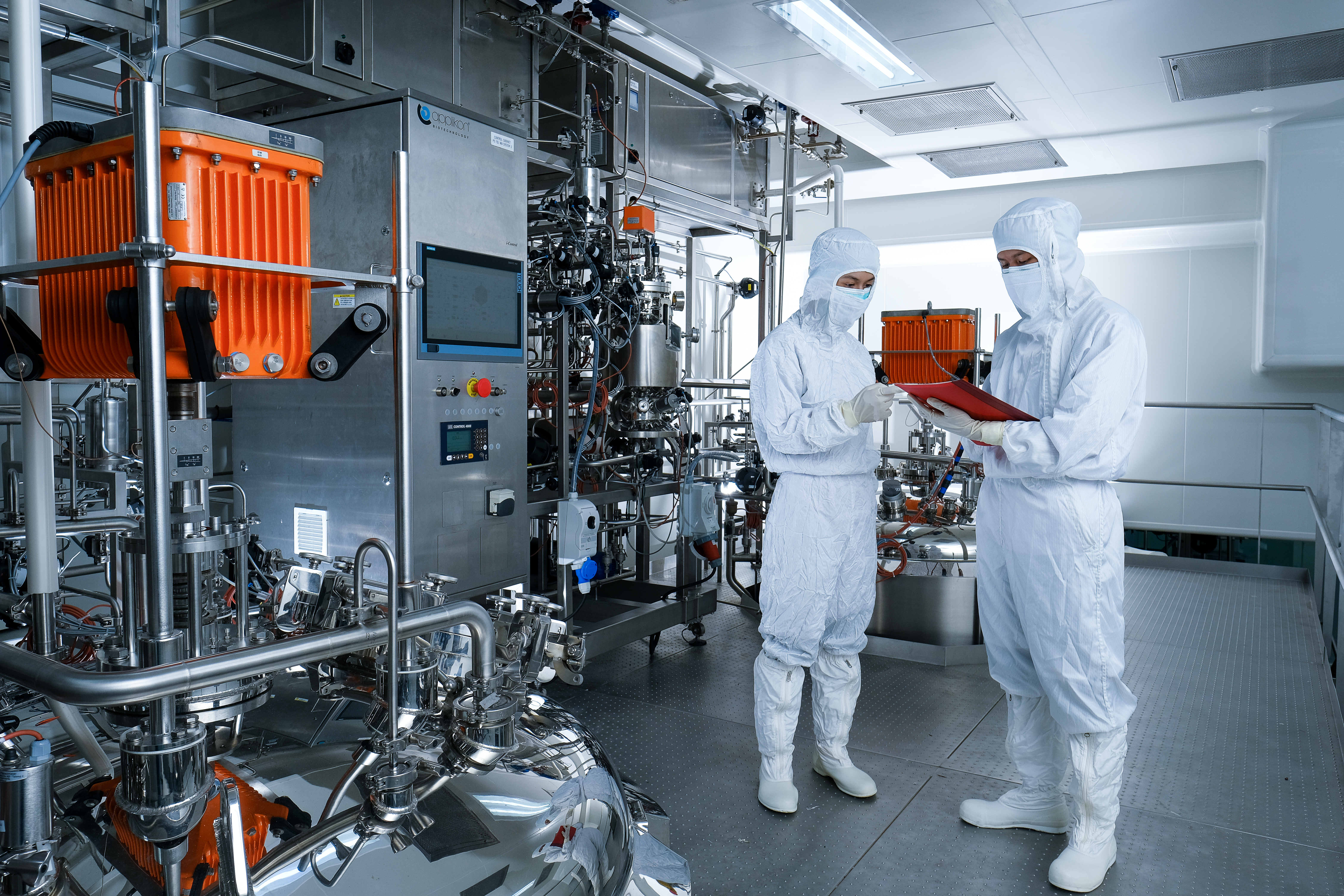
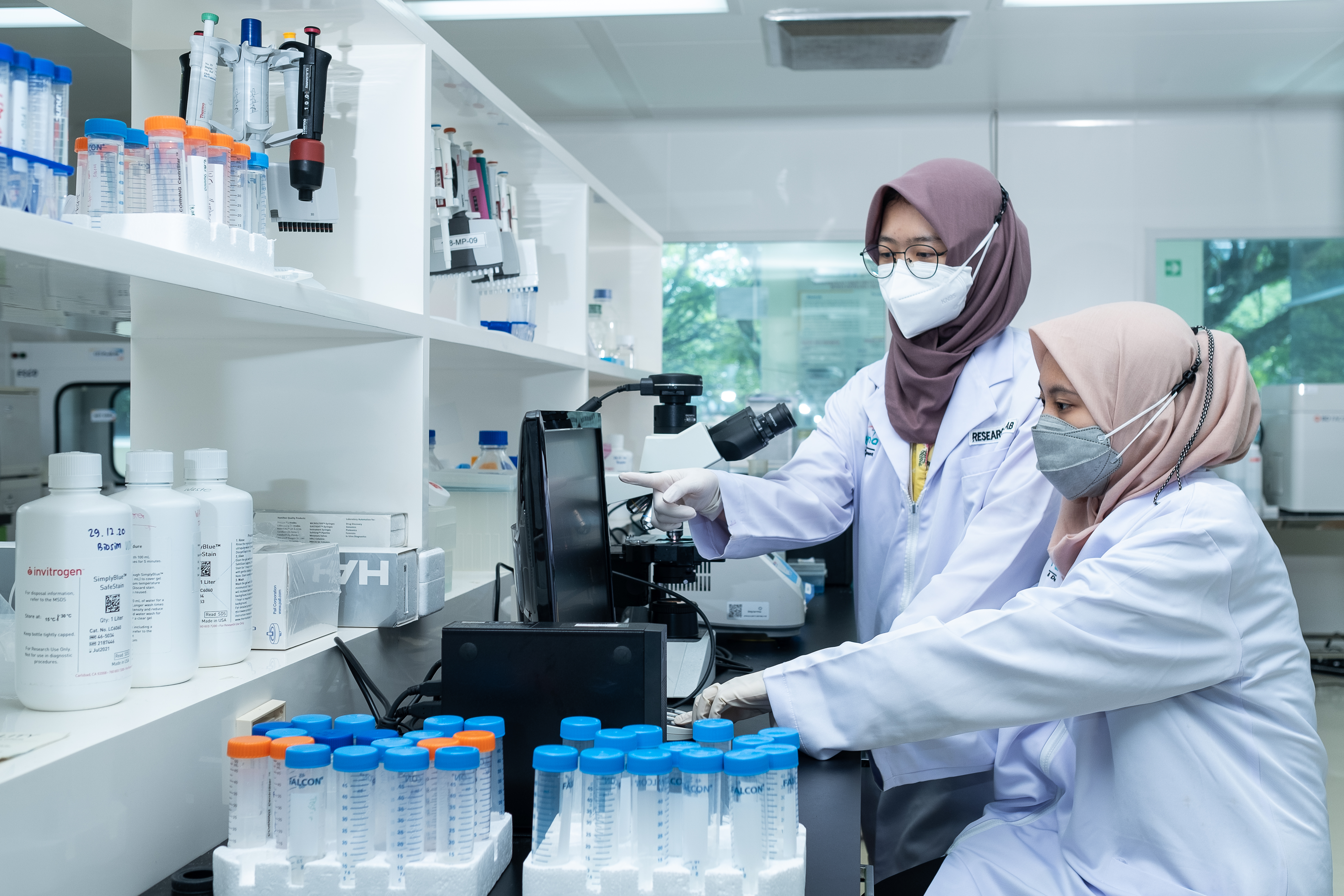
AEI Manufacturing & Mechanical
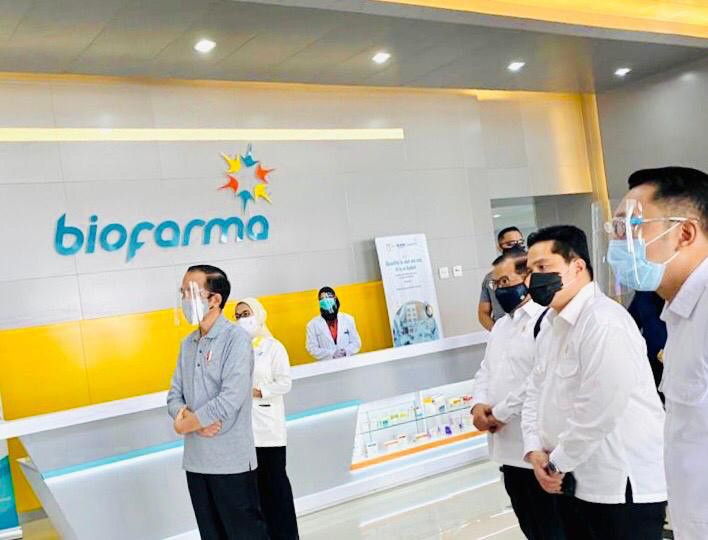
Location: PT Bio Farma (Persero)
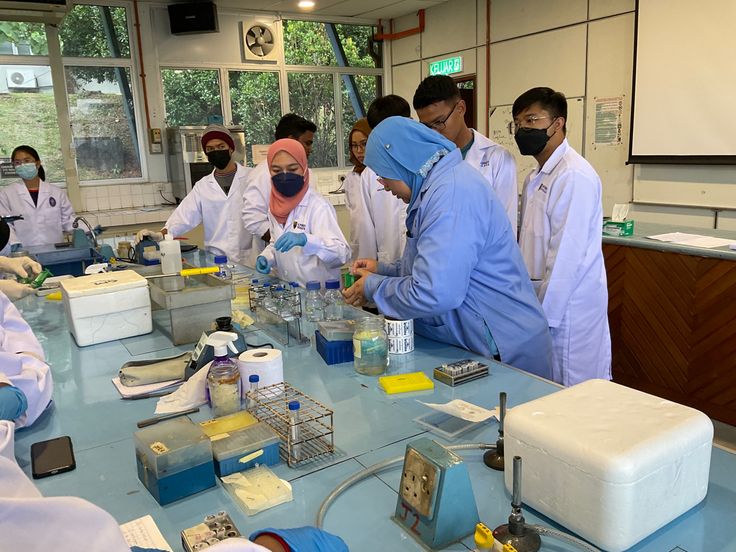
The Pharmaceutical & Life Sciences Engineering Working Group focuses on the application of
engineering principles and technological innovation across the pharmaceutical and life
sciences sectors. Discussions will cover pharmaceutical manufacturing, vaccine
production, biotechnology, bioprocess engineering, quality systems, digital
transformation, sustainable manufacturing, facility engineering, cold chain
technologies, and emerging innovations that support resilient healthcare systems.
Through collaboration among industry, academia, professional engineering
organizations, and government, the working group aims to promote engineering
excellence and strengthen regional cooperation in advancing healthcare and life sciences
across ASEAN.
As the host venue, PT Bio Farma offers participants the opportunity to gain practical
insights from Indonesia's leading state-owned life sciences company, with more than
130 years of experience in the research, development, manufacturing, and
distribution of vaccines, biopharmaceuticals, and other life science products.
Guided by its vision to become a world-class life sciences company with global
competitiveness, Bio Farma integrates engineering excellence, biotechnology, quality
systems, and innovation throughout its operations.
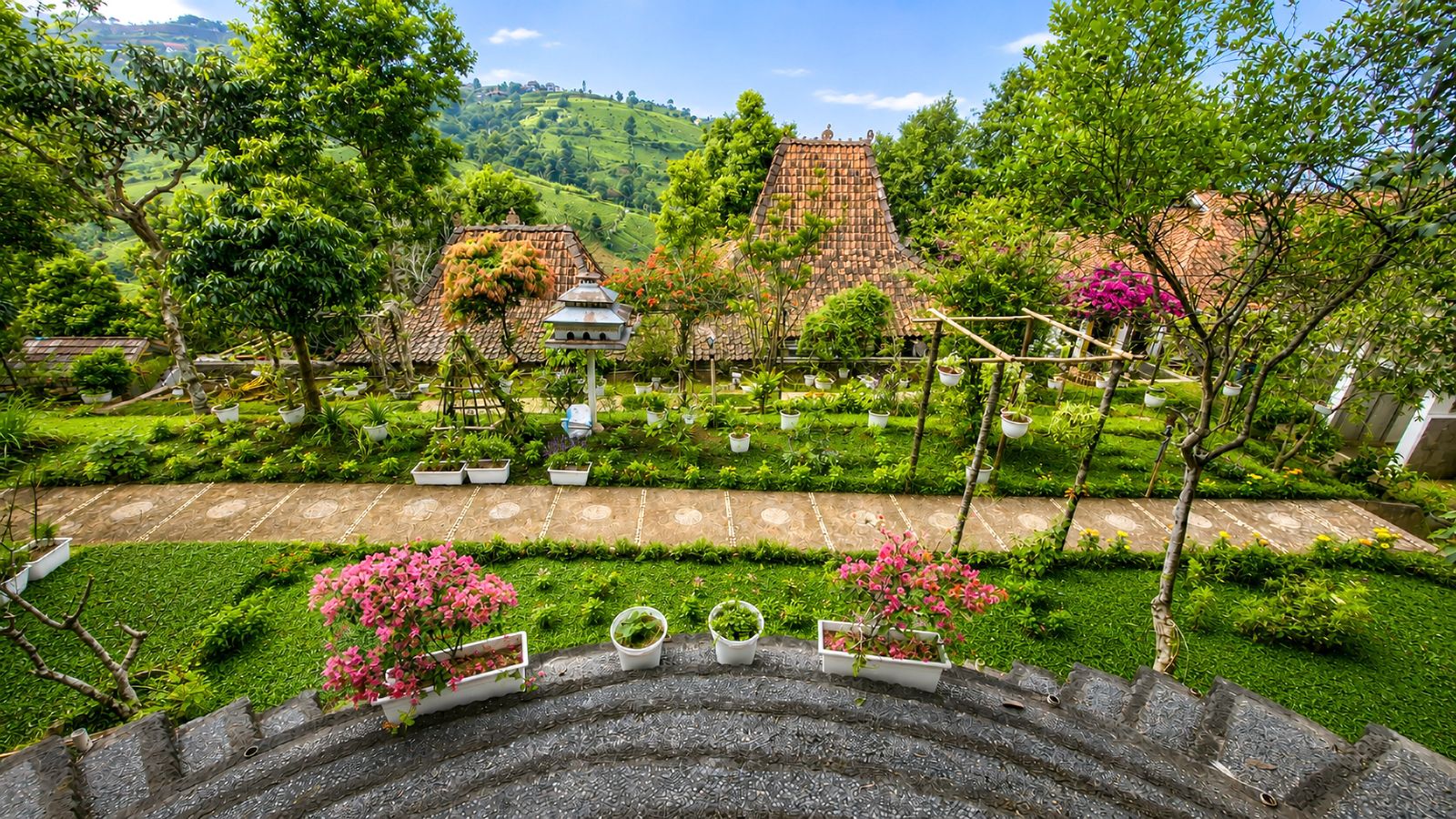
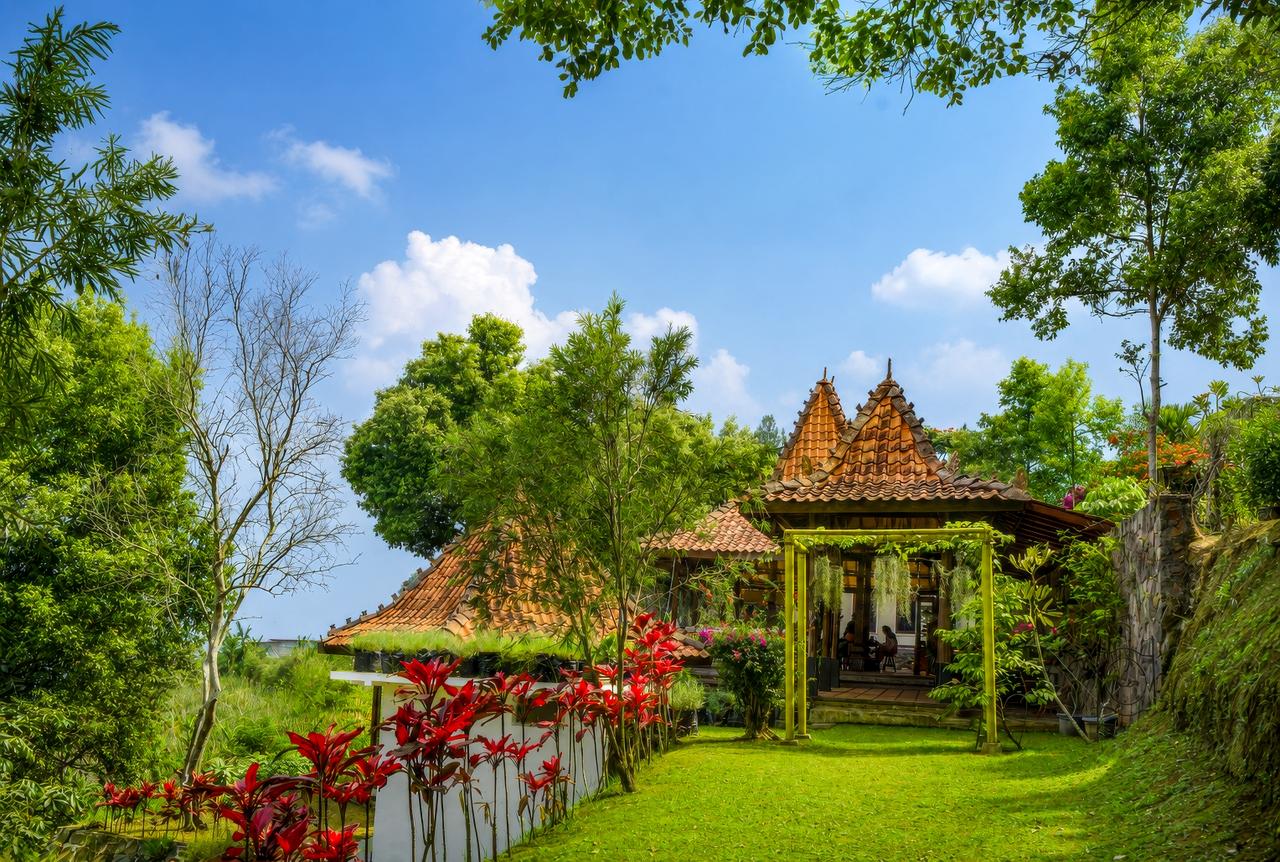
Food & Agriculture Engineering
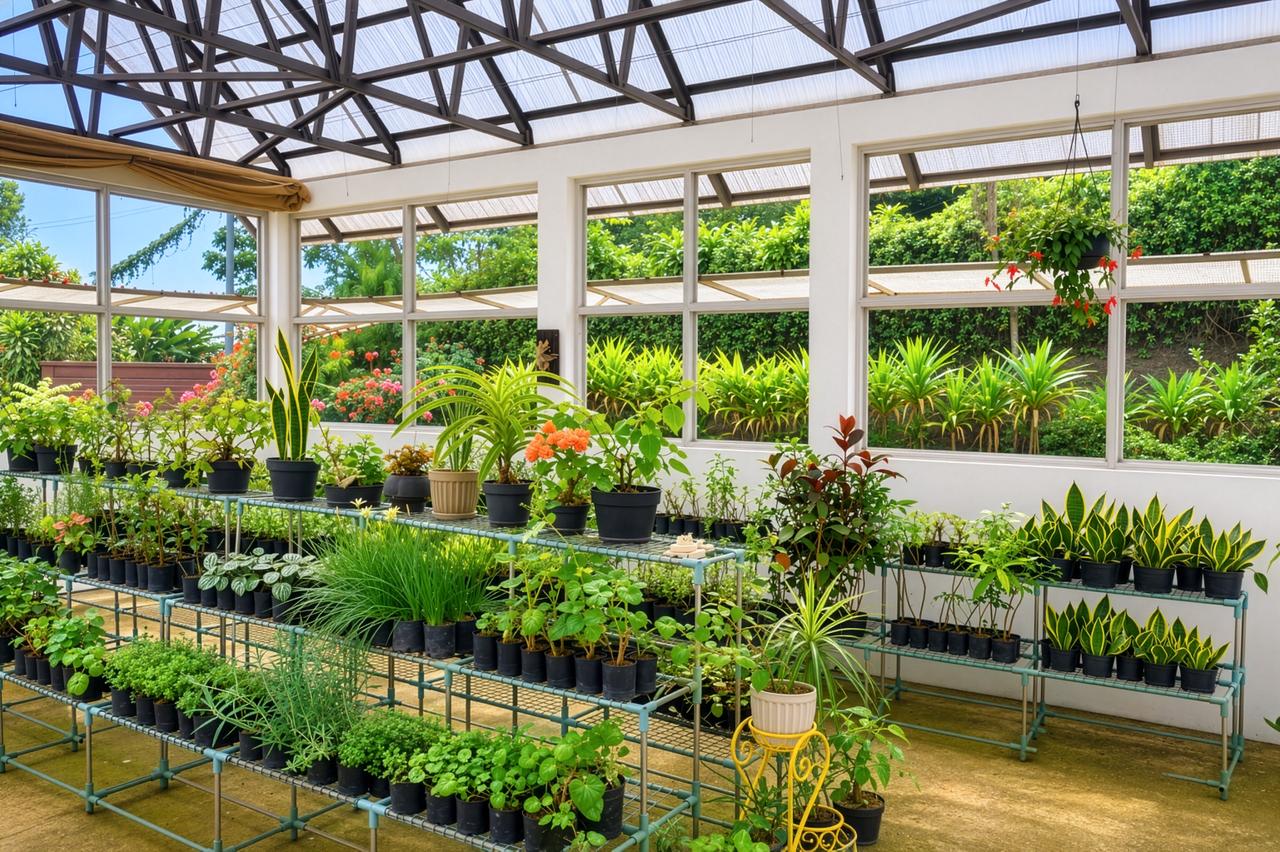
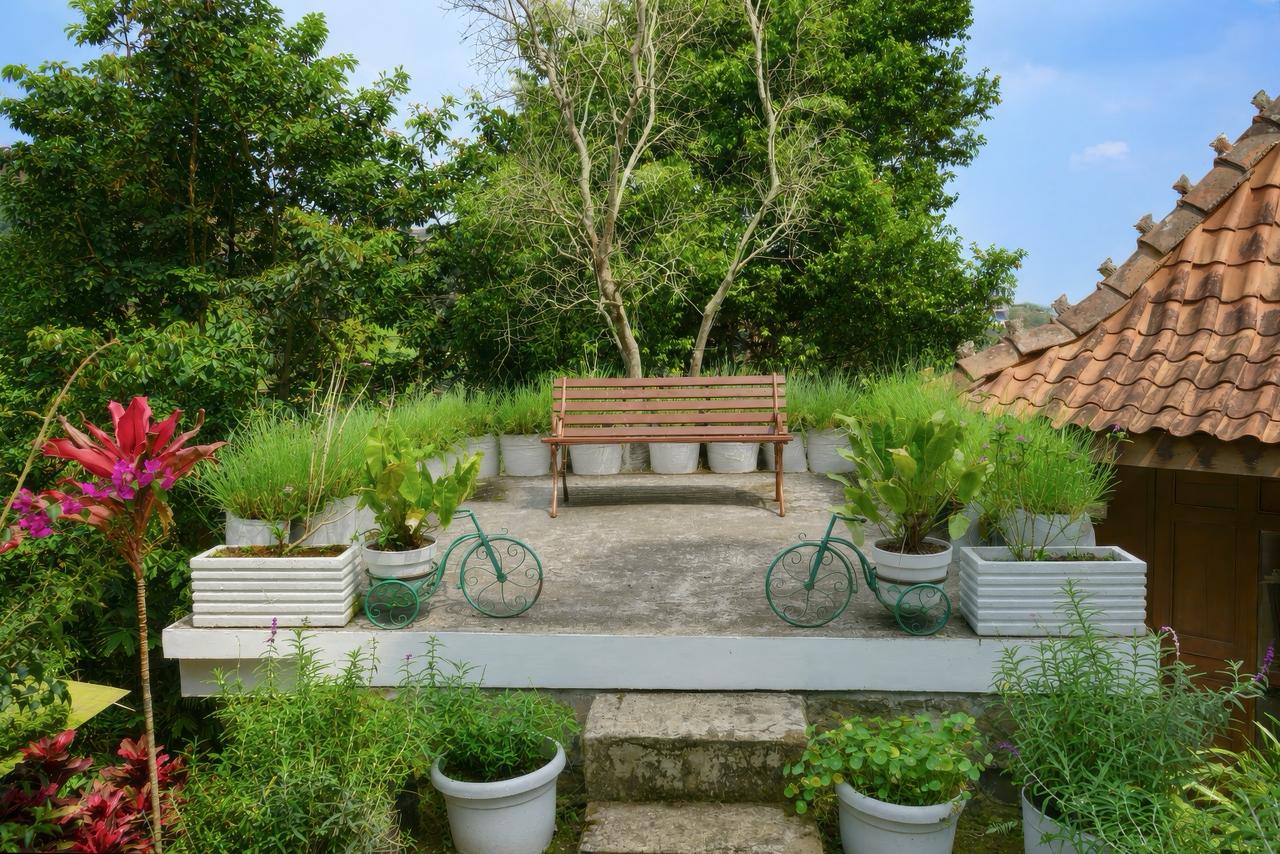
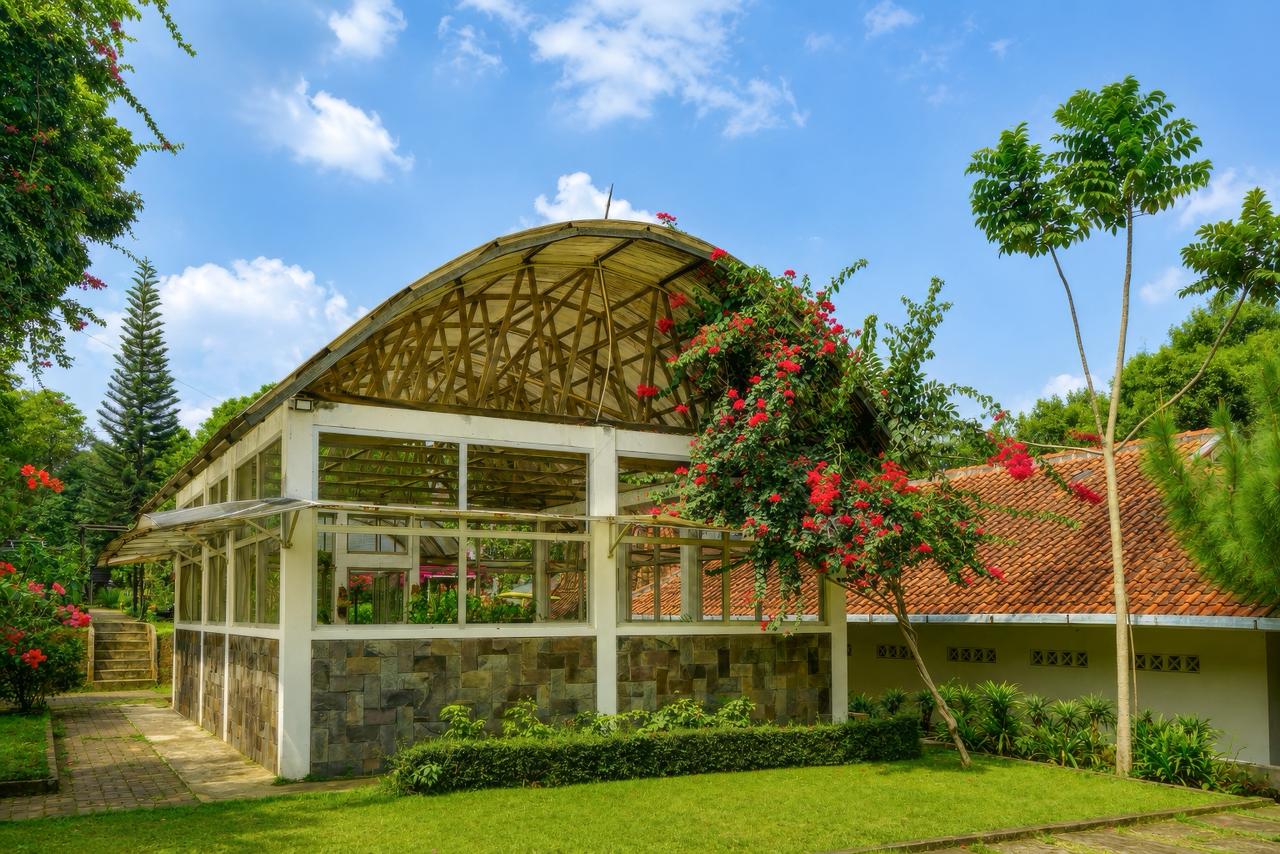
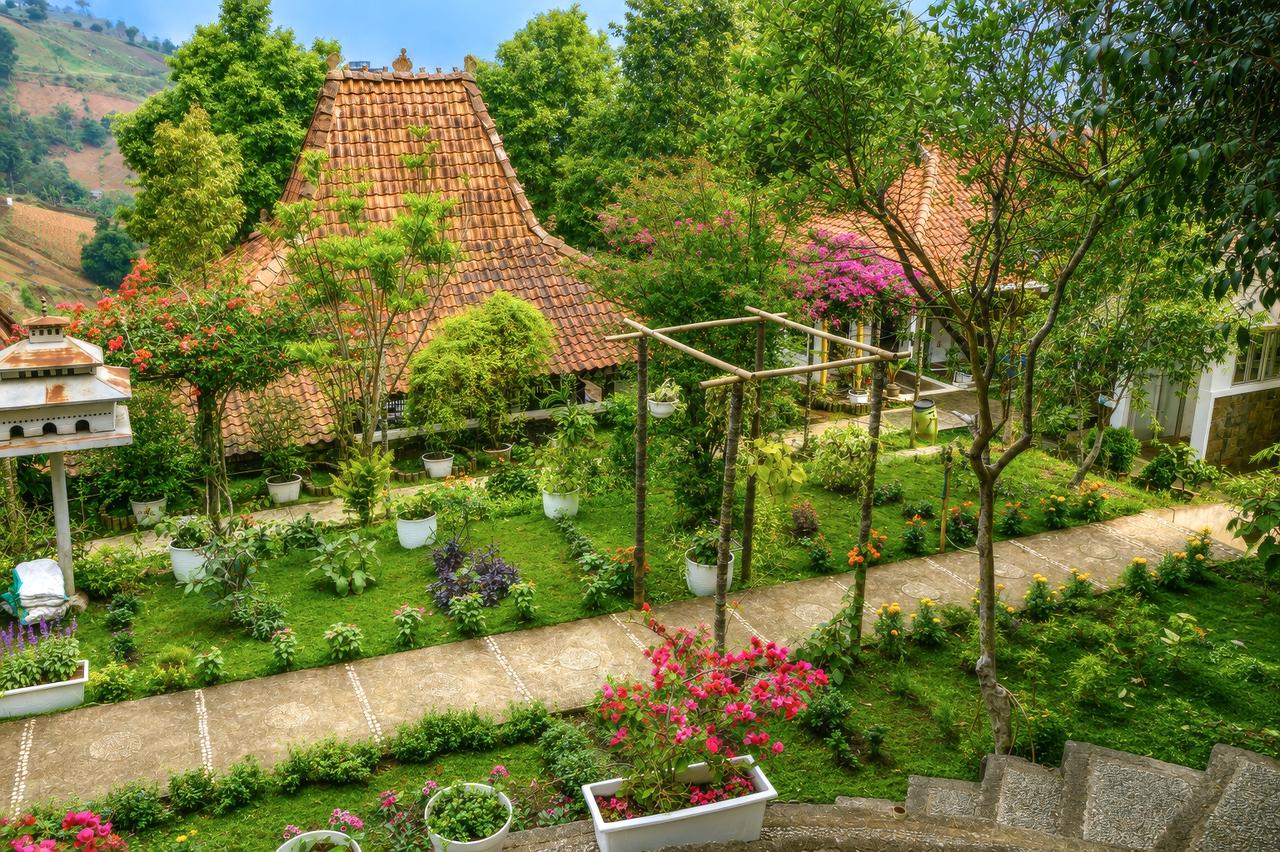
Location: Bumi Herbal Dago
The Food & Agriculture Engineering working group focuses on the application of engineering
principles to support sustainable agriculture, food processing, and the utilization of
natural resources. The session provides a platform for engineering professionals across
Southeast Asia to exchange knowledge on agricultural practices, post-harvest handling, and
the role of innovation in improving food quality, efficiency, and sustainability.
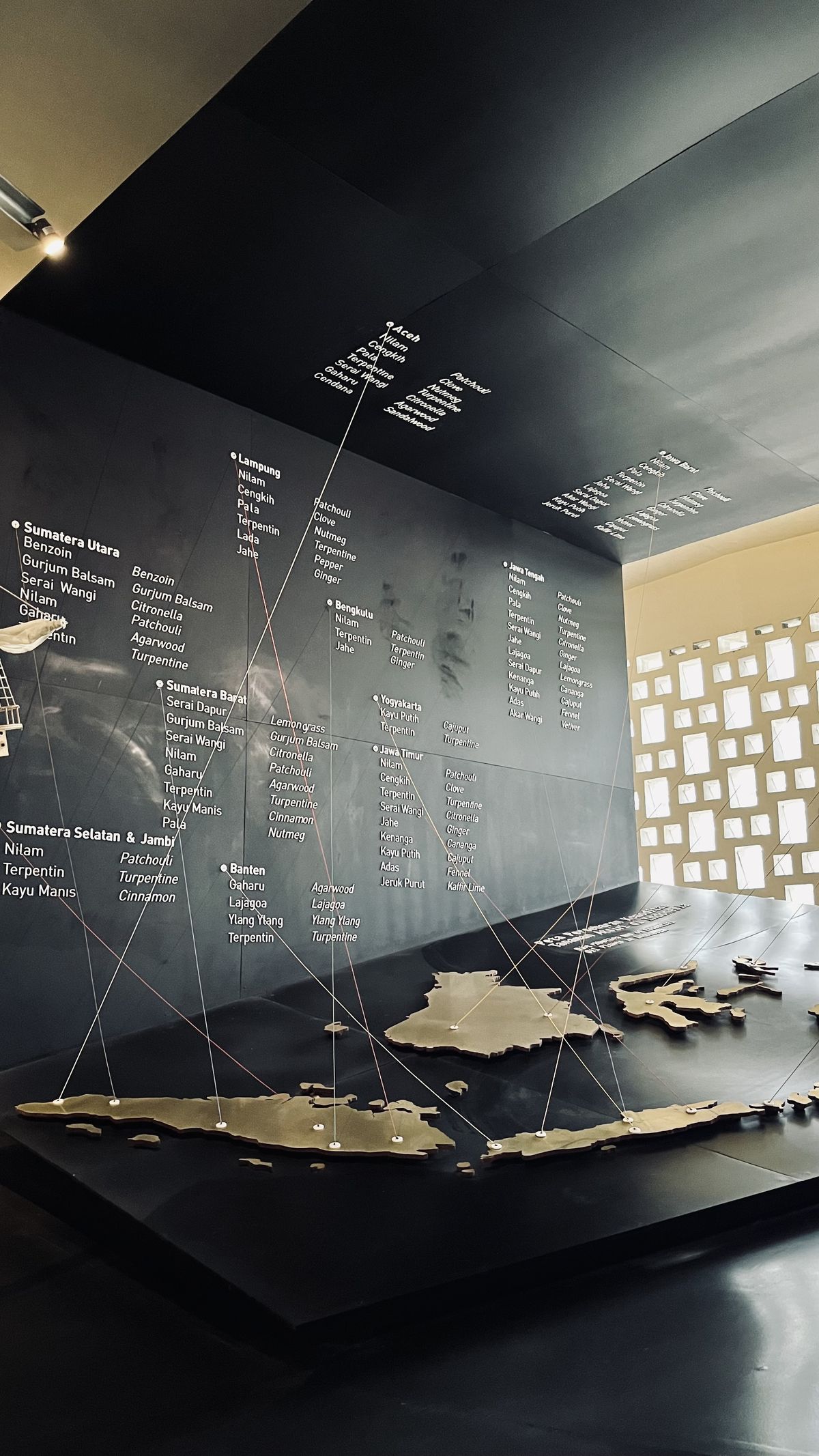
Set within a living herbal garden in Bandung, Bumi Herbal Dago offers participants the
opportunity to connect these discussions with practical field experiences. The program
introduces Indonesia's diverse herbal plants through guided garden exploration, plant
identification, and demonstrations of harvesting and basic post-harvest processes,
including cleaning and drying.
Working Group: Public Private Partnership
Location: Early Grey and Sencha Room
The Public Private Partnership (PPP) Working Group focuses on strengthening collaboration
between governments, the private sector, and other stakeholders to support the planning, financing, delivery, and operation of sustainable infrastructure projects across ASEAN.
The group explores strategies to improve investment opportunities, risk allocation, governance, and policy frameworks that encourage effective public-private collaboration.
The working group also promotes the exchange of best practices, successful PPP case studies, and innovative financing models among AFEO member organizations.
Through knowledge sharing and regional cooperation, the group aims to enhance institutional capacity, foster sustainable infrastructure development,
and support long-term economic growth and public service improvement throughout the ASEAN region.
WEAFEO
PROGRAMS
Day 1
Tuesday, 20 October 2026
- Joining CAFEO 44 Opening Ceremony
- WEAFEO Country Report
- WEAFEO Board Meeting
Day 2
Wednesday, 21 October 2026
- Joining Working Group & Technical Visit
- Women Engineering Summit
- WEAFEO Private Dinner
Day 3
Thursday, 22 October 2026
- Social Event
Option 1:
Joining CAFEO Program - Indonesian Spices Experience
Option 2:
Shopping Tour - Rumah Mode (started with Senam Pagi) - Country Performance Rehearsal
- Joining CAFEO 44 Closing Ceremony
| DAY 1 — TUESDAY, 20 OCTOBER 2026 | |||
|---|---|---|---|
| 08.00 | - | 10.30 | Joining CAFEO 44 Opening Ceremony @Grand Ballroom |
| 10.30 | - | 10.35 | WEAFEO Country Report: Opening @Chamomile Room |
| 10.35 | - | 11.08 | WEAFEO Country Report: Presentation from each country @ ±3mins @Chamomile Room |
| 11.08 | - | 11.15 | WEAFEO Country Report: Questions and Answers / Discussion @Chamomile Room |
| 11.15 | - | 12.00 | WEAFEO Board Meeting led by Assoc. Prof. Dr Ir. Setyawati Yani, MT.,Ph.D.,IPM.,ASEAN Eng. @Chamomile Room |
| 12.00 | - | 13.00 | Lunch Time @Jasmine Junior Ballroom |
| DAY 2 — WEDNESDAY, 21 OCTOBER 2026 | |||
|---|---|---|---|
| 08.30 | - | 12.00 | Joining Working Group & Technical Visit @Various Venues |
| 12.00 | - | 13.30 | Lunch Break @Jasmine Junior Ballroom |
| 13.30 | - | 13.35 | Women Engineering Summit: Opening by MC @Ballroom 2&3 |
| 13.35 | - | 14.35 | Women Engineering Summit: Paper Presentations by Women Engineers @Ballroom 2&3 |
| 14.45 | - | 15.00 | Coffee Break @Ballroom 2&3 |
| 15.00 | - | 16.20 | Women Engineering Summit: Talkshow @Ballroom 2&3 |
| 16.25 | - | 16.30 | Women Engineering Summit: Closing by MC @Ballroom 2&3 |
| 16.30 | - | 17.30 | Free and Easy |
| 17.30 | - | 18.00 | Transfer to Restaurant @Skyline Best View Resto |
| 18.00 | - | 21.00 | WEAFEO Private Dinner @Skyline Best View Resto |
| DAY 3 — THURSDAY, 22 OCTOBER 2026 (WEAFEO SIDE EVENTS) | |||
|---|---|---|---|
| 06.00 | - | 07.00 | Breakfast at the Hotel |
| Option 1 — Activity Set A (Indonesian Spices Experience) | |||
| 07.00 | - | 08.00 | Transfer to Bumi Herbal Dago from Pullman @Bumi Herbal Dago |
| 08.00 | - | 11.00 | CAFEO 44 Social Event : Indonesian Spices Experience @Bumi Herbal Dago |
| 11.00 | - | 12.00 | Transfer back to the Pullman Convention Center |
| Option 2 — Activity Set B (Morning Exercise & Shopping Tour) | |||
| 07.00 | - | 07.15 | Transfer to Venue Morning Exercise @TBC |
| 07.15 | - | 08.00 | Outdoor Morning Exercise @TBC |
| 08.00 | - | 08.30 | Transfer to Rumah Mode Factory Outlet @Rumah Mode Factory Outlet |
| 08.30 | - | 11.30 | Shopping Tour: Rumah Mode Factory Outlet @Rumah Mode Factory Outlet |
| 11.30 | - | 12.00 | Transfer back to the Pullman Convention Center |
| Main Program — Afternoon & Evening | |||
| 12.00 | - | 13.00 | Lunch Break @Jasmine Junior Ballroom |
| 13.00 | - | 17.00 | Country Performance Rehearsal @Pullman BICC |
| 17.00 | - | 18.00 | Free and Easy |
| 18.00 | - | 23.00 | Joining CAFEO 44 Closing Ceremony @Grand Ballroom |
YEAFEO
PROGRAMS
Day 1
Tuesday, 20 October 2026
- Joining CAFEO 44 Opening Ceremony
- YEAFEO Country Report
- YEAFEO Board Meeting
Day 2
Wednesday, 21 October 2026
- Joining Working Group & Technical Visit
- Young Engineers Festival
- YEAFEO Dinner
Day 3
Thursday, 22 October 2026
- Side Event : Padel Friendly Match
- Industrial & Cultural Visit : BETA-UAS Drone
- Joining CAFEO 44 Closing Ceremony
| DAY 1 — TUESDAY, 20 OCTOBER 2026 | |||
|---|---|---|---|
| 08.00 | - | 10.30 | Joining CAFEO 44 Opening Ceremony @Grand Ballroom, PBICC |
| 10.30 | - | 10.35 | YEAFEO Country Report: Opening @Hibiscus Room |
| 10.35 | - | 11.08 | YEAFEO Country Report: Presentation from each country @ ±3mins @Hibiscus Room |
| 11.08 | - | 11.15 | YEAFEO Country Report: Questions and Answers / Discussion @Hibiscus Room |
| 11.15 | - | 12.00 | YEAFEO Board Meeting @Hibiscus Room |
| 12.00 | - | 13.00 | Lunch Time @Jasmine Junior Ballroom |
| DAY 2 — WEDNESDAY, 21 OCTOBER 2026 | |||
|---|---|---|---|
| 08.30 | - | 12.00 | Joining Working Group & Technical Visit @Various Venues |
| 12.00 | - | 13.30 | Lunch Break @Jasmine Junior Ballroom |
| 13.30 | - | 13.35 | Young Engineers Festival: Opening by MC @Ballroom 1 |
| 13.35 | - | 14.35 | Young Engineers Festival: Seminar @Ballroom 1 |
| 14.45 | - | 15.00 | Coffee Break @Ballroom 1 |
| 15.00 | - | 16.20 | Young Engineers Festival: Talkshow @Ballroom 1 |
| 16.25 | - | 16.30 | Young Engineers Festival: Closing by MC @Ballroom 1 |
| 16.30 | - | 19.30 | Free and Easy |
| 19.30 | - | 20.00 | Transfer to Restaurant @Moxy Rooftop Bar & Resto |
| 20.00 | - | 01.00 | YEAFEO Dinner @Moxy Rooftop Bar & Resto |
| DAY 3 — THURSDAY, 22 OCTOBER 2026 (YEAFEO SIDE EVENTS) | |||
|---|---|---|---|
| 06.00 | - | 07.30 | Breakfast at the Hotel @Grand Ballroom |
| 07.30 | - | 08.00 | Transfer to Padel Court @Padelhof Bandung |
| 08.00 | - | 11.00 | Side Event : Padel Friendly Match @Padelhof Bandung |
| 11.00 | - | 11.30 | Transfer back to the Pullman International Convention Center |
| 11.30 | - | 13.00 | Lunch Break @Jasmine Junior Ballroom |
| 13.00 | - | 14.00 | Transfer to Workshop BETA-UAS Drone @Workshop BETA-UAS Drone |
| 14.00 | - | 15.00 | Industrial and Cultural Visit : Workshop BETA-UAS Drone @Workshop BETA-UAS Drone |
| 15.00 | - | 16.00 | Transfer back to the Pullman International Convention Center |
| 16.00 | - | 17.00 | Country Performance Rehearsal @Pullman Bandung ICC |
| 17.00 | - | 18.00 | Free and Easy |
| 18.00 | - | 23.00 | Joining CAFEO 44 Closing Ceremony @Grand Ballroom, PBICC |
THE CAFEO 44
CALL FOR PAPER
We warmly invite engineers, researchers, academics, and industry professionals across ASEAN and
beyond
to participate in the AFEO Engineering Conference. CAFEO 44 carries the theme: “Future of ASEAN:
Shared
Prosperity and Humanity through Inclusive and Sustainable Industrialisation.”
The conference welcomes innovative research, ideas, and practical solutions that contribute to
inclusive
growth, sustainable industrial development, and regional collaboration across ASEAN. Information on
abstract
submission procedures and deadlines is provided below:
20 AUGUST 2026
Full Paper Submission Deadline
20 SEPTEMBER 2026
Paper Acceptance Announcement
20 - 22 OCTOBER 2026
Conference Date
THEME
"ASEAN Engineers are to act and achieve positive outcomes that derived from Strategic Regional Collaboration, Green Technology Integration, and Workforce Empowerment"
TOPICS
Inclusive Industrialization:
"Leaving No Community or Enterprise Behind"
- Empowering SMEs through Technology Democratization
- Rural Industrialization and Infrastructure Equity
- Gender and Youth Diversity in STEM
Sustainable Industrialization:
"Decarbonizing Growth and Preserving Ecosystems"
- Accelerating the Green Energy Transition
- Transitioning to a Circular Economy Eco-Friendly
- Industrial Zones and Supply Chains
All accepted papers will be published in the Conference Proceedings, Conference of the ASEAN Federation of Engineering Organizations
For submission and further information, participants may refer to:
Submission Link : https://linktr.ee/conf.cafeo44
CONTACT US
ASEAN
SUSTAINABLE ENERGY CHALLENGE 2026
Calling ALL young engineers, entrepreneurs and students to submit YOUR innovative ideas on engineering, technological, management, and business solutions for ASEAN Sustainable Energy Development for RENEWABLE ENERGY.
22 June 2026
Announcement of the Sustainable Energy Challenge to AFEO Member Organizations (MO).
31 August 2026
Deadline for submission from home institutions to The Regional Organizing Board.
12-14 September 2026
Online presentations, and selection by Energy WG Sustainable Energy Challenge Organizing Board.
28 September 2026
Final review and evaluation during AFEO Mid-Term by Energy WG Sustainable Energy Challenge Organizing Board.
22 October 2026
Announcement of winners at CAFEO 44 in Bandung, Indonesia.
THEME
"Future of ASEAN: Shared Prosperity and Humanity Through Inclusive and Sustainable Industrialisation."
Winners will receive expert support, networking, and learning opportunities with potential funders/employers in ASEAN and beyond.